How to Propagate Fiddle-leaf fig?
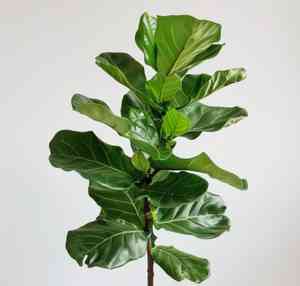
Ficus lyrata reproduces most effectively via stem cuttings and air layering techniques in its prime period, spring. While the propagation process can be somewhat difficult, indicators of success encompass the emergence of roots and fresh foliage. Ensure elevated moisture levels for the best outcomes.
Optimal Period for Fiddle-leaf Fig Propagation
Propagation Method
Cutting
Propagation Season
Autumn,Winter
Essential Tools for Fiddle-leaf Fig Propagation
Sharp Pruning Shears
Crucial for making clean cuts from the parent fiddle-leaf fig, minimizing harm and boosting the likelihood of successful rooting. Blades should be sanitized prior to use to prevent disease spread.
Rooting Hormone
Enhances the probability of successful root formation from cuttings by stimulating root growth at the cut site. Beneficial for fiddle-leaf fig due to its potentially slow and challenging rooting process.
Sterile Potting Mix
Offers a clean, pathogen-free environment for new roots to emerge. A well-draining mixture is vital for fiddle-leaf fig to prevent root rot during the propagation phase.
Propagation Tray or Small Pots
Holds the cuttings and potting medium while providing support. Transparent domes can also be employed to maintain high humidity around fiddle-leaf fig cuttings, which aids rooting.
Heating Mat (Optional)
Encourages root development by keeping the soil at a consistent, warm temperature, which is advantageous for the warmth-loving fiddle-leaf fig during cooler growing conditions.
Watering Can with a Fine Spout
Ensures gentle irrigation that will not disturb the fiddle-leaf fig cuttings. Over-watering can be detrimental, so a fine spout regulates the amount of water applied.
Post-Propagation Care for Your Fiddle-leaf Fig
Post-Propagation Care for Your Fiddle-leaf Fig
After propagating fiddle-leaf fig, monitor root growth and remove the plastic covering once new growth is observed. Gradually acclimate the young fiddle-leaf fig to its surroundings by providing consistent, bright, indirect light and keeping the soil slightly moist. Avoid overwatering as fiddle-leaf fig does not tolerate soggy soil. When the plant establishes a robust root system, repot it into a larger container with fresh soil. Continue to care for fiddle-leaf fig by dusting its leaves and keeping it away from cold drafts or heat sources to encourage healthy growth.
Common Errors to Avoid When Propagating Fiddle-leaf Fig
Insufficient cutting size
Taking cuttings that are too small can result in rooting failure, as fiddle-leaf fig cuttings need enough leaf area for photosynthesis and adequate stem length to anchor in the medium.
Excessive watering
Overwatering the cutting can lead to rot, as fiddle-leaf fig's cuttings require a balance of moisture and airflow to initiate roots without decaying.
Using blunt tools
Employing dull tools for cutting can damage the plant's tissues, making fiddle-leaf fig more susceptible to disease and impeding root development.
Neglecting humidity
Failing to maintain high humidity levels around the cutting can cause it to dry out, as fiddle-leaf fig requires a humid environment to encourage rooting.
Advice for Propagating Fiddle-leaf Fig
Stem cutting selection
Choose a healthy, mature stem for cuttings with at least one leaf attached, as this increases the chances of successful rooting for fiddle-leaf fig.
Sterile equipment
Use clean, sharp tools to make cuttings, preventing infection and promoting quicker healing for fiddle-leaf fig.
Soil choice
Select a well-draining potting mix to provide the necessary support and moisture without waterlogging, which is crucial for fiddle-leaf fig's root development.
Humidity control
Create a humid environment, such as a plastic bag or propagation chamber, to maintain the moisture level around fiddle-leaf fig, encouraging rooting.



