How to Propagate Creeping fig?
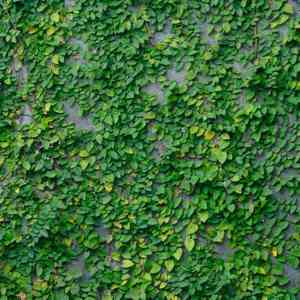
Ficus pumila can be reproduced using tender stem sections and by employing layering techniques. While propagation may present difficulties, indicators of successful rooting include the emergence of fresh shoots and the development of a root system. The most favorable period for propagation is during the spring or summer seasons. To ensure successful propagation, it is crucial to maintain damp soil conditions and supply sufficient sunlight.
Optimal Period for Creeping Fig Propagation
Propagation Method
Cutting
Propagation Season
Spring,Summer
Tools Required for Creeping Fig Propagation
Pruning Shears
Sharp pruning shears are vital for making clean cuts on creeping fig stems for propagation. A precise cut minimizes harm to both the parent plant and the cutting, boosting the likelihood of successful rooting. Sterilized blades prevent disease spread.
Rooting Hormone
Rooting hormone aids in the development of roots on creeping fig cuttings. Dipping the cut end into the hormone encourages quicker and more dependable root formation, significantly improving propagation success rates.
Potting Mix
A light, well-draining potting mix offers the ideal substrate for creeping fig cuttings to establish roots. It provides a balance of air circulation and moisture retention, crucial for the initial growth of new root systems.
Propagation Tray or Pots
Trays or small pots serve as containers where creeping fig cuttings are planted. They hold the potting mix and maintain the necessary humidity around the cuttings, facilitating root growth under controlled conditions.
Clear Plastic Bags or Domes
Creating a humid environment is essential for creeping fig cuttings to prevent drying out. Clear plastic bags or domes placed over the containers trap moisture and create a greenhouse-like effect, aiding in successful propagation.
Misting Bottle
A misting bottle offers a gentle method to keep creeping fig cuttings hydrated without overwatering. Frequent misting maintains the required humidity levels and can help prevent leaf drop during the establishment period.
Plant Labels and Marker
Labels marked with a waterproof marker assist in identifying the creeping fig cuttings, especially when propagating multiple plants. Proper labeling is useful for tracking the progress and growth stages of the specimens.
Heating Mat (Optional)
For propagators in cooler climates, a heating mat can maintain an optimal temperature range for creeping fig cuttings to root. Consistent warmth can be a key factor in accelerating root development.
Caring for Your Newly Propagated Creeping Fig
Caring for Your Newly Propagated Creeping Fig
After successful propagation, gradually introduce the new creeping fig to its typical growing conditions. Creeping fig prefers bright, indirect light, and a consistently moist soil environment. Avoid direct sunlight which can scorch the leaves. Regular watering is crucial, but allow the top inch of soil to dry out before the next watering to prevent root rot. Fertilize monthly during the growing season with a balanced, water-soluble fertilizer. Pruning can be done to maintain the shape and encourage bushier growth.
Common Mistakes to Avoid When Propagating Creeping Fig
Overwatering cuttings
Root rot can occur when cuttings of creeping fig are overwatered, as the delicate new roots require oxygen as well as moisture to develop properly.
Insufficient humidity
Cuttings of creeping fig often fail due to low humidity, which causes them to dry out before they can establish roots.
Cutting too short
Short cuttings of creeping fig might not have enough leaves to photosynthesize and sustain new root growth, leading to failure in propagation.
Not using a rooting hormone
Skipping rooting hormone can lead to a lower success rate of cuttings, as it significantly enhances root development in creeping fig cuttings.
Poor light conditions
Insufficient light can hinder the rooting process, while too much direct light can scorch the delicate cuttings of creeping fig.
Tips For Propagating Creeping Fig
Proper cutting length
Cuttings of creeping fig should be about 4-6 inches long, with several leaves, to balance photosynthesis and root growth.
Humidity control
Maintaining a high humidity environment, such as using a plastic cover, can prevent cuttings from drying out.
Medium choice
Using a well-draining propagation medium prevents waterlogging and promotes healthier root development for creeping fig.
Rooting hormone application
Applying rooting hormone to the cut end of creeping fig cuttings can greatly improve the chances of successful root development.
Correct lighting
Providing bright, indirect light supports the growth of creeping fig cuttings without risking leaf burn.



