How to Propagate Indian blanket?
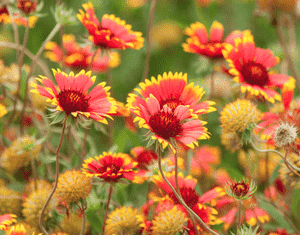
Gaillardia pulchella is generally multiplied by planting seeds during the optimal springtime period. This procedure is quite straightforward, with successful multiplication evidenced by emerging sprouts. Guarantee adequate spacing and soil that drains effectively for peak development.
Optimal Period for Indian Blanket Propagation
Propagation Method
Seeding
Propagation Season
Spring
Tools Required for Indian Blanket Propagation
Seed trays or flats
These shallow containers offer an organized area for planting and sprouting. They enable simple management of soil conditions and moisture, boosting the likelihood of successful germination for indian blanket seeds.
Seed-starting mix
A soilless, sterile blend formulated to encourage root development without the threat of soil-borne illnesses, providing an ideal setting for indian blanket seedlings.
Misting bottle or spray bottle
Utilized to gently dampen the seed-starting mix without disturbing the tiny indian blanket seeds, ensuring they stay in contact with the moist soil to initiate germination.
Plastic dome or cover
Helps maintain elevated humidity and consistent temperatures around indian blanket seeds, creating a microclimate that fosters germination and initial growth. Ensures moisture retention while decreasing the need for frequent watering.
Grow lights or a sunny window
Supplies the necessary light spectrum for indian blanket seedlings to photosynthesize and develop once they have sprouted. Sufficient light is crucial for preventing seedlings from becoming elongated and weak.
Heat mat (optional)
Elevates soil temperature to optimize germination rates for indian blanket, especially in colder climates or during off-seasons when ambient temperatures might be lower than what indian blanket seeds require for sprouting.
Dibber or pencil
Used for creating small indentations in the planting medium for the indian blanket seeds. It allows for precise seed placement and depth control, which is vital for uniform germination and growth.
Labels and markers
Essential for distinguishing various indian blanket types if sowing multiple varieties, preventing confusion and ensuring appropriate care for each type during the propagation process.
Steps to Propagate Indian Blanket
Propagation Type
Sowing
Difficulty Level
Easy
Caring for Your Newly Propagated Indian Blanket
Caring for Your Newly Propagated Indian Blanket
Following successful propagation, indian blanket demands minimal upkeep. Ensure it is situated in an area with ample sunlight and well-draining soil. Water the plant regularly, allowing the soil to dry out between waterings, particularly once established. Fertilize indian blanket once at the start of the growing season with a balanced, slow-release fertilizer. Remove spent blooms to encourage further flowering. Divide the plants every 2-3 years to maintain vigor. Being drought-tolerant, indian blanket can endure periods of low water, making it suitable for xeriscaping or low-maintenance gardens.
Common Errors to Avoid When Propagating Indian Blanket
Overwatering
Excessive watering of indian blanket can lead to root rot, as these plants prefer well-drained soil and are drought tolerant once established. Overwatering can also reduce the oxygen available to the roots, hindering their growth and function.
Too much fertilizer
Applying an abundance of fertilizer can harm indian blanket by causing a rapid surge of growth that may weaken the plant. In severe instances, it can also result in fertilizer burn, characterized by brown or yellow leaf margins.
Planting depth
Planting indian blanket seeds or cuttings too deeply can impede their ability to sprout or root correctly. This may lead to decreased germination rates or failed root establishment.
Neglecting to deadhead
Failing to remove faded flowers on indian blanket can diminish the plant's vitality and restrict further blooming. Deadheading encourages the plant to produce more flowers and can sometimes promote a second round of blooming.
Advice for Propagating Indian Blanket
Well-draining soil
Utilize a light, well-draining soil mix to foster healthy root development and prevent waterlogging conditions that can negatively impact indian blanket propagation.
Proper spacing
Provide indian blanket with adequate room to grow by correctly spacing the seeds or young plants. This helps ensure sufficient air circulation, reducing the risk of fungal diseases and giving each plant enough space to reach its full potential.
Adequate light
Ensure indian blanket receives ample sunlight, as it thrives in full sun conditions. This will aid in healthy growth and vibrant flower production.
Gentle handling
Handle indian blanket seeds and cuttings with care. The seeds are small and can be easily damaged, while cuttings are delicate and should be planted with minimal disturbance to their rooting ends.



