How to Propagate Wild geranium?
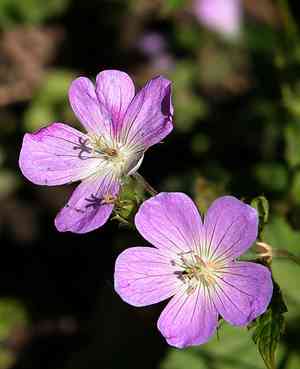
Wild geranium reproduces successfully via seeding during the prime Spring period. Its propagation presents a moderate challenge. Thriving, sprouting plantlets signify success. Ensure consistent dampness and adequately draining substrate for best outcomes.
Optimal Period for Wild Geranium Propagation
Propagation Method
Seeding
Propagation Season
Spring
Tools Required for Wild Geranium Propagation
Seed trays
Utilized for indoor seed starting, offering a regulated setting that can be easily observed and modified for warmth and moisture. Seed trays are ideal for wild geranium's initial sprouting, enabling even seed distribution and preventing overcrowding.
Potting mix
A premium potting blend guarantees proper drainage and air circulation, vital for wild geranium's germination. A mix that holds moisture without becoming saturated encourages robust root growth.
Misting bottle
Facilitates gentle irrigation of wild geranium's seeds and young plants, ensuring they remain adequately damp without disturbing the soil or dislodging tiny seeds. Consistent, fine misting is crucial for stimulating wild geranium's germination.
Grow lights
Augment natural light to establish ideal illumination for wild geranium seedlings, fostering strong and healthy development if natural light conditions are insufficient, particularly for indoor propagation.
Heat mat
Supplies a steady warmth source beneath seed trays, which can enhance wild geranium's germination rates by maintaining an optimal soil temperature, promoting quicker and more uniform sprouting.
Clear dome or plastic wrap
Functions as a miniature greenhouse over the seed tray, trapping humidity and warmth to create a microclimate beneficial for wild geranium's seed germination and early growth phases. This also shields seeds from direct strong light or cold drafts.
Vermiculite or perlite
When incorporated into the potting mix, these materials improve soil structure and water retention, cultivating an optimal environment for wild geranium's seed germination and root development while preventing soil compaction.
How to Propagate Wild Geranium
Propagation Type
Sowing
Difficulty Level
Easy
Caring for Your Newly Propagated Wild Geranium
Caring for Your Newly Propagated Wild Geranium
Wild geranium thrives best in partially shaded locations with well-draining, moderately moist soil. It can endure some dryness once established. During its active growth, water wild geranium when the soil surface feels dry, and apply mulch to retain soil moisture and suppress weeds. Remove spent flowers to encourage more blooms and prevent self-seeding if desired. Divide plants every 3-4 years to maintain vigor. Watch for common pests and diseases, such as aphids and powdery mildew, and treat as needed.
Common Errors to Avoid When Propagating Wild Geranium
Over-watering
Excessive moisture can lead to root rot for wild geranium, a plant that prefers well-drained soil. Over-watering can cause fungal diseases, which compromise the plant's health and its capacity to establish a robust root system.
Deep planting
Planting wild geranium too deeply can prevent the crown from receiving adequate air circulation, leading to crown rot. This mistake can significantly impair the plant's vigor and survival during propagation.
Neglecting division health
When dividing wild geranium, using a section of the plant that is weak or diseased will likely result in poor propagation outcomes. It's essential to use healthy, vigorous plant sections to ensure successful growth.
Ignoring ph requirements
Planting wild geranium in soil with the wrong pH can hinder nutrient absorption, affecting growth and the overall success of propagation. Wild geranium prefers slightly acidic to neutral soil.
Inadequate spacing
Insufficient space between propagated wild geranium plants can lead to competition for nutrients, water, and light, as well as increased susceptibility to diseases due to poor air circulation.
Tips For Propagating Wild Geranium
Soil preparation
Before propagating wild geranium, ensure the soil is loose, well-draining, and rich in organic matter. This will foster healthy root development and prevent waterlogging.
Root division technique
Use clean and sharp tools when dividing wild geranium to ensure clean cuts that promote healthy root regeneration. Be sure to include both roots and shoots in each division for the best chance at successful propagation.
Watering regime
Maintain consistent moisture levels without causing waterlogging. A balanced watering regime is crucial for wild geranium to develop robust roots, especially during the establishment phase.
Mulching
Apply a layer of mulch around wild geranium after planting to retain soil moisture, suppress weeds, and provide temperature insulation. Ensure the mulch does not touch the plant's crown to avoid rot.
Disease prevention
Monitor wild geranium for signs of disease and act promptly if any symptoms appear. Implementing good cultural practices, such as proper spacing and avoiding wetting foliage when watering, can help minimize disease risk.



