How to Propagate Bloody cranesbill?
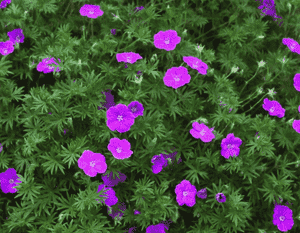
Reproduce Geranium sanguineum by planting seeds in the spring, as this is the most suitable period. Although not challenging to propagate, observe for emerging sprouts as an indication of successful establishment. Maintain adequate soil dampness for peak development.
Optimal Time for Bloody Cranesbill Propagation
Propagation Method
Seeding
Propagation Period
Spring
Tools for Bloody Cranesbill Propagation
Seed trays
Seed trays are shallow containers with multiple sections, enabling organized planting of bloody cranesbill seeds. Each section can be filled with a well-draining, sterile seed starting mix, crucial for bloody cranesbill to prevent root rot and disease. The individual compartments prevent overcrowding and facilitate easier transplanting of seedlings once they are sufficiently developed.
Fine soil sieve
This instrument aids in filtering and creating a fine-textured surface for planting bloody cranesbill seeds, ensuring excellent seed-to-soil contact. The sieve produces an ideal layer of fine soil atop the seed starting mix, vital for small seeds like those of bloody cranesbill, as they need shallow coverage for optimal germination conditions.
Watering can with a fine rose
A watering can equipped with a fine rose attachment is used to gently irrigate the soil after sowing bloody cranesbill seeds without disturbing them. The fine spray mimics a soft rain, providing necessary moisture for germination while preventing soil erosion or seed displacement, key to successful and uniform germination of bloody cranesbill.
Plastic cover or propagation dome
This device creates a miniature greenhouse effect over the seed tray, maintaining high humidity and stable temperatures which are beneficial for the germination of bloody cranesbill seeds. It also safeguards the seeds from pests and fluctuating environmental conditions that could hinder germination and seedling growth.
Plant labels and markers
Labels and markers are utilized for recording the sowing date and identifying the species or varieties of bloody cranesbill. This is essential for tracking growth progress and providing appropriate care throughout the different developmental stages. Proper labeling ensures that the specific requirements of bloody cranesbill are met during its critical early growth period.
How to Propagate Bloody Cranesbill
Propagation Method
Seeding
Difficulty Level
Easy
Caring for Your Newly Propagated Bloody Cranesbill
Caring for Your Newly Propagated Bloody Cranesbill
After propagating bloody cranesbill, ensure they receive adequate water, especially during dry spells, but avoid over-watering. Bloody cranesbill prefers well-draining soil and will benefit from occasional feeding with a general-purpose fertilizer during the growing season. Remove spent flowers to encourage further blooming and prune the plant after flowering to maintain a compact shape. Bloody cranesbill is relatively disease and pest resistant, but watch for signs of trouble and treat as necessary. Mulching can help retain moisture and suppress weeds around bloody cranesbill. With proper care, bloody cranesbill will establish and thrive in the garden, providing attractive foliage and flowers.
Common Propagation Mistakes to Avoid with Bloody Cranesbill
Overwatering
Excessive watering can lead to root rot and fungal diseases in bloody cranesbill, which prefer well-drained soil. Too much moisture can reduce the oxygen available in the soil, suffocating the roots and impeding growth.
Planting depth
Bloody cranesbill's rhizomes should not be planted too deeply, as they require some sunlight to initiate growth. Incorrectly burying them too deep could prevent sprouting and weaken the plant.
Excessive fertilization
Applying too much fertilizer can harm the delicate root system of bloody cranesbill and cause nutrient burn. This can manifest as browning leaf tips and reduced vigor.
Ignoring pest control
Failing to address pests like aphids and spider mites can stress bloody cranesbill, which may reduce its ability to propagate successfully.
Tips For Propagating Bloody Cranesbill
Soil preparation
Provide bloody cranesbill with a well-draining soil mix to prevent waterlogging. This will help ensure a healthy root environment for propagation.
Division technique
Gently divide bloody cranesbill's rhizomes in early spring or fall using a clean, sharp knife to minimize damage and increase the chances of successful propagation.
Cutting selection
Choose healthy, non-flowering stems for cuttings to ensure that the plant's energy is directed towards root formation rather than bloom production.
Humidity for cuttings
Maintain a high-humidity environment for bloody cranesbill cuttings to prevent them from drying out before they can establish roots, but ensure good air circulation to prevent fungal infections.



