How to Propagate English ivy?
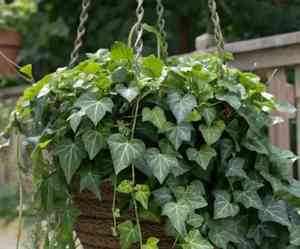
Hedera helix is frequently multiplied during the spring and summer seasons, utilizing either tender stem sections or layering techniques such as compound or serpentine. The ease of propagation can differ, but indicators of successful establishment involve robust root formation and fresh foliage emergence. Essential advice includes verifying that cuttings possess a minimum of two leaves and maintaining consistent soil moisture to encourage root development.
Optimal Time for English Ivy Propagation
Propagation Method
Cuttings
Propagation Period
Spring,Summer
Tools for English Ivy Propagation
Sharp Pruning Shears
Used for taking cuttings from english ivy, sharp pruning shears ensure a clean cut that promotes rapid healing and minimizes the risk of infection. Their precise blades can easily navigate english ivy's dense foliage for ideal cutting locations.
Rooting Hormone Powder
Boosts root development when applied to the cut end of english ivy, significantly improving the success rate of cuttings by stimulating root growth and protecting against fungal infections.
Sterile Potting Mix
Offers a safe and nourishing environment for new english ivy cuttings to establish roots. A sterile mix prevents disease transmission, which is vital for the delicate state of fresh cuttings.
Small Pots or Propagation Trays
Contain the sterile potting mix and english ivy cuttings. They are sized to allow for adequate rooting space and facilitate easy monitoring of root growth and health.
Clear Plastic Bags or Covers
Creates a mini-greenhouse effect around the english ivy cuttings, maintaining high humidity and stable temperature, both of which are essential for successful propagation through cuttings.
Watering Can with a Fine Rose
Delivers a gentle and even water distribution, ensuring english ivy cuttings receive adequate moisture without disturbing the delicate new roots or washing away the rooting hormone.
Heat Mat (optional)
Provides consistent bottom warmth to the english ivy cuttings, encouraging faster root growth, particularly beneficial in cooler climates or during colder months when rooting may be slowed.
Caring for Your Newly Propagated English Ivy
Caring for Your Newly Propagated English Ivy
Once the english ivy cutting has rooted, gradually acclimate it to the growing conditions of a mature english ivy. Ensure it receives bright, indirect light and maintain consistent moisture without overwatering. English ivy prefers a cooler temperature range and benefits from regular misting to mimic its natural humid environment. Fertilize monthly during the growing season with a balanced, water-soluble fertilizer. Pinch off the tips of the vine to encourage bushier growth, and transplant it to a larger pot as it grows.
Common Errors to Avoid When Propagating English Ivy
Overwatering cuttings
Leads to root rot, which can prevent english ivy's cutting from developing roots and weaken or kill the sprouting plant.
Using non-sterilized tools
Spreads disease and can introduce pathogens to the fresh cuttings of english ivy, inhibiting growth or causing plant death.
Cutting incorrect stem parts
Impacts root development since not all parts of english ivy's stem have the same propensity for rooting; some parts may not root at all.
Taking cuttings from unhealthy plants
Reduces the chance of successful propagation as the cutting will inherit the parent plant's poor health, leading to stunted growth or no rooting.
Insufficient humidity
Prevents the cuttings from retaining enough moisture to develop new roots, leading to desiccation.
Ignoring node positioning
Nodes are where roots grow from, and if cuttings do not include nodes, english ivy will not be able to root properly.
Tips For Propagating English Ivy
Use healthy parent plants
Ensures that cuttings have the highest potential to develop into robust plants.
Sterilize all tools
Prevents the transmission of diseases to the cuttings ensuring a healthy start for english ivy's growth.
Ensure cuttings include nodes
Nodes are necessary for root growth; cuttings should always include one or more nodes for successful rooting.
Maintain high humidity
Helps cuttings of english ivy retain moisture, which is crucial for root formation during the early stages of propagation.
Provide indirect light
Supports photosynthesis without the stress of direct sunlight which can damage the fragile cuttings of english ivy.
Water properly
Keeps the soil moist but not soaked, to foster root growth without risking root rot for the propagated english ivy.



