How to Propagate False sunflower?
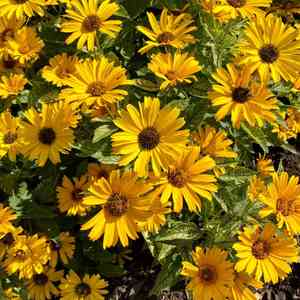
The optimal period for propagating false sunflower is springtime via seed planting. This propagation method is relatively straightforward, with successful germination observed in the developing sprouts. Expert advice: Ensure the growing medium remains uniformly damp throughout the germination phase.
When Is the Optimal Time to Propagate False Sunflower?
Propagation Method
Seeding
Propagation Period
Spring
What Equipment Is Used in False Sunflower Propagation?
Seed Trays
These shallow containers are perfect for starting seeds indoors, allowing precise control over environmental factors. They offer ample room for false sunflower seeds to sprout without crowding, ensuring good air circulation and reducing disease risk.
Seedling Heat Mat
False sunflower seeds benefit from consistent warmth to boost germination rates. A heat mat provides a stable temperature, enhancing the germination process by mimicking the warm soil conditions false sunflower prefers in its natural habitat.
Potting Mix
A well-draining and nutrient-rich potting mix encourages robust root growth for false sunflower seedlings. It holds enough moisture for seed germination while preventing waterlogging, which can cause damping-off in young plants.
Misting Bottle
Gentle misting provides the necessary humidity for false sunflower seed germination without disturbing the seeds or causing soil erosion. This tool is crucial for maintaining the delicate moisture balance required for successful seed starting.
Grow Lights
If natural light is insufficient, grow lights offer a light spectrum optimized for plant growth. They ensure that false sunflower seedlings receive the appropriate amount and type of light for vigorous growth, especially important for false sunflower, which thrives in full sun.
Dibber or Seed Sowing Tool
This tool allows for precise sowing of false sunflower seeds at the correct depth, which is crucial for optimal germination rates. It ensures consistent planting and prevents seeds from being planted too deeply or too shallowly.
How to Propagate False Sunflower?
Propagation Method
Seeding
Difficulty Level
Easy
How to Care for Your Newly Propagated False Sunflower?
How to Care for Your Newly Propagated False Sunflower?
After propagation, false sunflower needs full sun and well-drained soil. Water regularly, especially in the first growing season to establish a deep root system. Mulching can help retain soil moisture and control weeds. Deadhead spent blooms to encourage further flowering. Monitor for pests and diseases, and treat as necessary. Prune in late winter or early spring to maintain plant shape and promote vigorous growth.
Common Mistakes to Avoid When Propagating False Sunflower
Overwatering
Propagating false sunflower with excessive moisture can lead to root rot, which is detrimental to plant health and can significantly impede growth or even result in death of the cuttings or seedlings.
Using non-sterile equipment
Cuttings of false sunflower are susceptible to infection. Unclean tools can introduce pathogens, causing diseases that could be detrimental to propagation success.
Ignoring soil composition
False sunflower requires well-draining soil for healthy root development. Using soil that is too dense or has poor drainage can result in waterlogged conditions that harm the plant's roots.
Planting depth errors
Placing false sunflower seeds or cuttings too deeply into the soil can prevent proper germination or rooting. Conversely, shallow planting might expose seeds or roots, leading to desiccation.
Neglecting to harden off
Failing to gradually acclimate false sunflower to outdoor conditions can cause shock when plant is moved from a controlled indoor environment to the variable outdoor climate, inhibiting growth or causing death.
Tips For Propagating False Sunflower
Proper cutting technique
For false sunflower, make clean cuts just below a node using sharp, sterilized shears to increase the chance of successful rooting.
Appropriate rooting medium
Select a light, well-aerated rooting medium that retains moisture but allows excess water to drain for false sunflower cuttings. This environment promotes healthy root development.
Maintaining humidity
Cover false sunflower cuttings with a plastic dome or bag to retain moisture and create a humid environment, which can encourage rooting. Be sure to ventilate occasionally to prevent mold growth.
Indirect sunlight
Provide false sunflower cuttings or seeds with bright but indirect light. Direct sunlight can lead to overheating and excessive moisture loss.
Monitoring water levels
Ensure false sunflower's soil stays consistently moist but not waterlogged. Check the moisture level regularly and adjust watering as necessary to maintain optimal conditions.



