How to Propagate Chameleon plant?
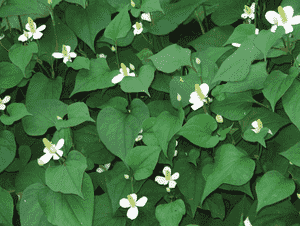
The optimal period for multiplying chameleon plant is during spring or fall through separation. Its propagation is quite straightforward; observe for fresh sprouts as a sign of successful growth. Maintain dampness and shade for the separated plants until they are well-rooted.
Optimal Time for Chameleon Plant Propagation
Propagation Method
Separation
Propagation Period
Spring, Fall
Tools for Chameleon Plant Propagation
Garden Trowel
An enduring garden trowel is vital for excavating around the chameleon plant to gently elevate it from the earth. This instrument enables precise work without harming adjacent flora. Its slender blade is preferred for this task to neatly scoop soil and aid in carefully dividing the root mass into segments without causing undue damage.
Sharp Knife or Pruners
These implements are necessary for cleanly severing the robust roots of chameleon plant. Employing sharp tools minimizes harm and facilitates clean cuts that mend faster, thereby reducing the likelihood of disease or pests infecting the cut areas during division. A sanitized cutting edge prevents the spread of bacteria and fungi.
Watering Can with Fine Rose
Following division, the separated chameleon plant plants require thorough watering to lessen transplant shock. A watering can equipped with a fine rose attachment delivers gentle, uniform water distribution, ensuring the newly planted divisions are not disrupted by a forceful water stream.
Rooting Hormone (Optional)
While not mandatory, rooting hormone powder or gel can be applied to the cut surfaces of the chameleon plant roots to stimulate rapid and robust root development. This is particularly advantageous for improving the success rate of new divisions.
Plant Labels and Marker
Labeling each new plant division assists in tracking the progress of each chameleon plant plant and maintaining organized cultivation records. Waterproof labels and a durable marker guarantee that identification is preserved throughout the growing season, despite weather conditions.
Gloves
Protective gardening gloves are important when handling chameleon plant, as they shield the propagator's hands from moisture, soil, or any potential irritants within the soil. They offer a superior grip on tools and plants, preventing slippage and accidental root damage.
How to Propagate Chameleon Plant?
Propagation Type
Division
Difficulty Level
Easy
Caring for Your Newly Propagated Chameleon Plant
Caring for Your Newly Propagated Chameleon Plant
Post-propagation, keep the chameleon plant's soil consistently moist but not waterlogged. Select a location that receives partial shade to full sun and has good drainage. Fertilize sparingly during the growing season and watch for pests or diseases. Chameleon plant can spread rapidly, so monitor its growth and manage it to prevent unwanted expansion into other garden areas.
Common Propagation Errors to Avoid with Chameleon Plant
Insufficient water
When propagating chameleon plant, a frequent error is failing to provide adequate water during the rooting process. Chameleon plant thrives in damp conditions, and neglecting to maintain proper moisture levels can hinder the plant from developing a healthy root system, potentially leading to plant demise.
Overwatering
Conversely, excessive watering of chameleon plant during propagation is equally harmful. While chameleon plant prefers moist environments, waterlogged soil can result in root rot and fungal infections, which may kill new cuttings before they can establish.
Poorly chosen cuttings
Utilizing unhealthy or weak cuttings for propagation can lead to poor or no growth. Cuttings should be vigorous and disease-free to ensure the highest probability of successful chameleon plant propagation.
Ignoring light conditions
Although chameleon plant is adaptable, providing either too much direct sunlight or insufficient light during the propagation phase can stress the cuttings. This can impede root development and impact overall plant health.
Neglecting aftercare
Post-propagation care for chameleon plant is crucial. Once rooted, chameleon plant requires gradual acclimatization to its new surroundings, such as outdoor conditions or potting soil. Overlooking this step can shock the plant, leading to loss or deterioration of propagated material.
Tips For Propagating Chameleon Plant
Maintain humidity
To ensure successful propagation of chameleon plant, maintain high humidity around the cuttings. Employing a plastic cover or a humidity dome can help retain the necessary moisture level for optimal rooting.
Use a sterile medium
Starting chameleon plant cuttings in a sterile propagation medium prevents disease and fungus, which can be detrimental to the delicate new roots of chameleon plant.
Healthy parent plant
Take cuttings from a robust, healthy parent chameleon plant to maximize the chances of successful propagation. Vigorous parent material contributes to the robustness of the propagated offspring.
Proper cutting technique
Use a sharp, clean instrument to take cuttings of chameleon plant. This ensures a clean cut that will root more easily and is less prone to infection or damage, which can impede the propagation process.
Monitor growth
Regularly monitor the propagated chameleon plant cuttings for signs of growth or distress. Early detection of any issues allows for quick remediation, increasing the likelihood of successful propagation.



