How to Propagate Common hyacinth?
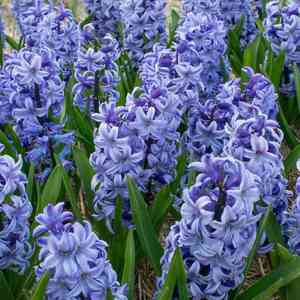
Hyacinthus orientalis multiplies most effectively in the springtime via the separation of its bulbs. These plants present a moderate challenge in terms of propagation. The appearance of fresh sprouts and foliage signifies successful multiplication. Gentle handling of the bulbs is essential for robust development.
Optimal Time for Common Hyacinth Propagation
Propagation Method
Utilize The Tubers
Propagation Period
Spring
Tools for Common Hyacinth Propagation
Tubers of common hyacinth
Tubers serve as the foundational material for propagation, not a tool. They store energy and growth points vital for new common hyacinth plants. To propagate common hyacinth using its tubers, carefully extract them from the soil after the foliage dies, clean them, and store them in a cool, dry place until planting. When ready, select firm, healthy tubers and plant them in well-draining soil with growth points facing up.
Sharp, sterilized knife or blade
Used for dividing tubers if necessary. A sharp blade ensures clean cuts that heal quickly, minimizing disease risk. Proper sterilization prevents pathogen spread to tubers. If common hyacinth tubers are large with multiple growth points, they can be cut into smaller sections, each with at least one growth point, to produce more plants.
Pot or tray with well-draining soil mix
Serves as the growing medium. Common hyacinth needs well-draining soil to prevent rot. Pots or trays should have adequate drainage and be filled with a suitable soil mix that retains some moisture but allows excess water to escape. This setup provides an ideal environment for tubers to develop roots and shoots safely.
Gloves
To protect hands when handling soil and tubers, and to maintain cleanliness and reduce disease transmission. Wearing gloves while planting common hyacinth tubers can prevent skin irritation and ensure a sanitary propagation process.
Watering can with a gentle shower head
For providing even, gentle watering that won't disturb newly planted tubers. Consistent moisture is crucial for common hyacinth tubers to develop, but excessive force from watering can displace tubers or cause waterlogging. A watering can with a gentle shower head offers control over water flow and distribution.
Labeling stakes and a permanent marker
To label pots or trays with planting dates and other relevant information. Tracking tuber varieties and planting dates is essential for monitoring growth and determining proper care and maintenance during propagation.
Rooting hormone
While not always essential, rooting hormone can be applied to cut surfaces of tuber sections to encourage faster, more reliable root development. This specialized aid is particularly useful when propagating divided common hyacinth tubers and can enhance overall propagation success.
How to Propagate Common Hyacinth?
Propagation Method
Utilize The Tubers
Difficulty Level
Easy
Caring for Newly Propagated Common Hyacinth
Caring for Newly Propagated Common Hyacinth
After propagation, care for common hyacinth involves maintaining consistent soil moisture without overwatering. As they grow, apply a balanced, slow-release fertilizer once in early spring. Ensure they receive full to partial sunlight for optimal blooming. After flowers fade, deadhead to redirect energy to the bulb, but leave foliage until it naturally dies back to allow the bulb to gather nutrients for the next season. Protect bulbs from rodents and pests with appropriate measures. If grown in containers, ensure adequate drainage. Repeat the lifting and separating process every few years to prevent overcrowding and rejuvenate the stock.
Common Mistakes to Avoid When Propagating Common Hyacinth
Overwatering
Excessive watering can lead to bulb rot in common hyacinth, which is detrimental as it can destroy the bulb before it has a chance to grow.
Planting depth
Planting common hyacinth's bulbs too deep or too shallow can hinder their ability to sprout. Too deep, and they may not reach the surface; too shallow, and they may lack adequate anchorage or protection.
Ignoring bulb condition
Using damaged or diseased bulbs for propagation can result in poor germination and growth in common hyacinth, and can also spread diseases to healthy bulbs.
Crowding bulbs
Planting common hyacinth's bulbs too close together can impede their growth due to competition for nutrients and space, and can increase the likelihood of disease transmission.
Tips For Propagating Common Hyacinth
Healthy bulbs
Selecting firm, plump bulbs free from damage and signs of disease is crucial for successful common hyacinth propagation.
Proper planting depth
Planting common hyacinth bulbs at the correct depth, typically two to three times the bulb's height, will provide optimal conditions for sprouting.
Adequate spacing
Ensuring sufficient space between common hyacinth bulbs when planting will promote good air circulation, reducing disease risk and allowing each plant to receive enough nutrients.
Well-draining soil
Using well-draining soil when planting common hyacinth will help prevent water from accumulating around the bulbs, which could lead to rot.



