How to Propagate Goldenseal?
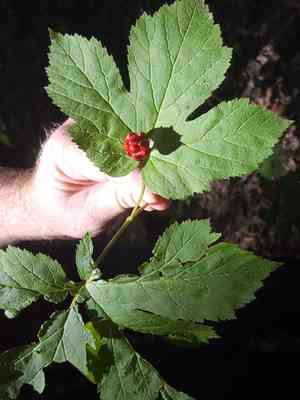
Goldenseal flourishes most effectively when reproduced through seeding. Cultivators must provide a fertile, adequately draining soil substrate for peak development. Cold stratification improves sprouting success, making seed pretreatment prior to planting advantageous. The perfect soil acidity should range from somewhat acidic to neutral. Maintain consistent soil dampness and offer dappled sunlight to replicate goldenseal's native forest environment.
When Is the Optimal Time to Propagate Goldenseal?
Propagation Type
Sowing
Propagation Season
Spring
What Equipment Is Utilized in Goldenseal Propagation?
Seed tray
Seed trays are perfect for germinating goldenseal seeds in a controlled setting. Their shallow design suits the small goldenseal seeds, ensuring even distribution and preventing overcrowding. The seed tray facilitates easy monitoring and maintenance of ideal humidity and temperature, boosting germination rates.
Humidity dome
A humidity dome fits over seed trays, creating a micro-environment with elevated humidity and stable temperature, crucial for successful goldenseal seed germination. It prevents the soil surface from drying out, thus maintaining consistent moisture levels necessary for seedling development.
Heat mat
A heat mat provides a steady heat source, vital for goldenseal germination. It helps maintain an optimal soil temperature, which encourages faster and more uniform germination rates. This tool is especially useful during colder months or in cooler climates where ambient temperatures might hinder germination.
Fine mist spray bottle
A spray bottle that produces a fine mist is essential for gently watering goldenseal seeds without dislodging them. The gentle mist ensures the soil remains moist but not waterlogged, providing delicate goldenseal seedlings with the appropriate moisture level needed for healthy growth.
Sterilized potting mix
Using a sterilized potting mix ensures goldenseal seeds are sown in a disease-free medium, significantly reducing the risk of seedling diseases. The fine texture of sterilized potting mixes is ideal for small seeds, ensuring good soil contact and aiding in root establishment and growth.
How to Propagate Goldenseal?
Propagation Type
Easy
How to Care for Your Newly Propagated Goldenseal?
How to Care for Your Newly Propagated Goldenseal?
After propagation, goldenseal needs a shaded environment with well-drained, rich, and slightly acidic soil. Regular watering is essential during dry spells to keep the soil consistently moist. Additionally, annual mulching with organic material will help maintain soil moisture and nutrient levels. Avoid excessive direct sunlight and watch for root rot or fungal diseases. Practicing crop rotation every few years is beneficial to prevent soil depletion and keep pests and diseases in check.
Common Errors to Avoid When Propagating Goldenseal
Insufficient humidity
Propagating goldenseal often fails due to low humidity, which can lead to the planting medium drying out and stress on plant cuttings. This can hinder root development or cause the plant to wilt and die.
Overwatering
While maintaining moisture is crucial, overwatering goldenseal during propagation can lead to root rot or fungal diseases. Excessive water eliminates air pockets in the soil, reducing oxygen availability to the roots, which is essential for their growth and health.
Deep planting
Placing goldenseal cuttings too deeply in the soil can cause the stems to rot before they have a chance to root. This can significantly diminish the success rate of propagation.
Using old or diseased plant material
Using unhealthy or old parts of goldenseal for propagation can lead to poor growth rates and transfer diseases to the new plants. This reduces overall vigor and the likelihood of successful propagation.
Tips For Propagating Goldenseal
Use of rooting hormones
Applying a rooting hormone to goldenseal cuttings can enhance root growth and improve propagation success. Rooting hormones stimulate root development and can significantly increase the number of roots formed.
Maintain optimal humidity
Keeping the air around goldenseal cuttings humid, possibly by using a humidity dome or frequent misting, ensures that moisture levels are sufficient for root initiation and growth without making the soil waterlogged.
Plant in well-drained soil
Using a well-drained soil mixture helps prevent waterlogging and issues like root rot in goldenseal. This promotes healthier root development essential for thriving young plants.
Appropriate depth and spacing
Planting goldenseal cuttings at the correct depth—just enough to support them upright—and spacing them properly ensures adequate air circulation and room for growth, which are critical for healthy development.



