How to Propagate Orpine?
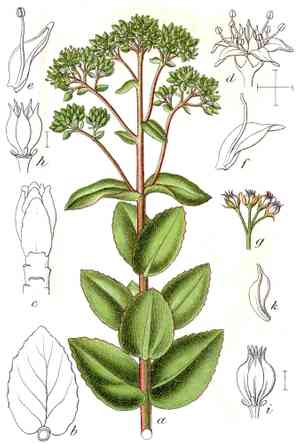
Sedum telephium readily multiplies via soft stem sections during the prime seasons of spring and summer. This species is regarded as simple to propagate, with successful multiplication evidenced by the emergence of fresh foliage. To achieve optimal outcomes, confirm that the cutting originates from a robust specimen and is kept continuously damp until its root system establishes.
Optimal Period for Orpine Propagation
Propagation Method
Cutting
Propagation Season
Spring, Summer
Tools Required for Orpine Propagation
Sharp pruning shears or scissors
These implements are vital for making precise cuts when taking sections from the parent plant. It's crucial that the cuts do not crush or harm the stem tissue to minimize infection risk and encourage faster healing. Sharp pruning shears or scissors guarantee an accurate cut, which is especially important for orpine's thick, fleshy stems.
Rooting hormone powder or gel
Rooting hormone aids in stimulating root development from the severed end of the stem. As orpine can be prone to rot if cuttings remain excessively wet, employing a rooting hormone not only promotes quicker rooting but also helps safeguard the cut site from potential pathogens.
Clean pots or trays
These will be utilized for planting the stem cuttings. Sanitation is paramount to prevent disease spread, and using pots or trays specifically designated for propagation helps maintain a controlled environment for the orpine cuttings.
Succulent or cactus potting mix
A well-draining soil blend formulated for succulents or cacti is crucial to prevent waterlogging, which can lead to rot in orpine cuttings. The mix should be airy and light to allow new roots to easily penetrate.
Plastic wrap or a humidity dome
These are employed to establish a humid microclimate around the cuttings, mimicking a greenhouse setting. Maintaining humidity can be particularly advantageous for orpine cuttings to prevent them from drying out before they can root, while ensuring they are not overly wet.
Watering can with a fine rose or misting bottle
These tools enable gentle watering or misting without disturbing the newly planted orpine cuttings. Soft water pressure is important to avoid dislodging the cuttings until they have developed a robust root system.
How to Propagate Orpine?
Propagation Method
Cutting
Difficulty Level
Easy
Post-Propagation Care for Orpine
How to Care for Your Newly Propagated Orpine?
Following propagation, continue to care for orpine by ensuring it receives bright, indirect sunlight and is planted in well-drained soil. Water the plant when the top inch of the soil feels dry. During the active growth period, fertilize it with a balanced, water-soluble feed monthly. As a succulent, orpine does not require high humidity and should be protected from extreme cold. Prune as needed to maintain shape and encourage denser growth.
Common Errors to Avoid When Propagating Orpine
Overwatering
Excessive watering can cause root rot in orpine, as the plant is susceptible to too much moisture around its roots. This can hinder root development in new cuttings or offsets and may even kill the plant.
Too much direct sunlight
While orpine thrives in bright light, intense direct sunlight immediately after propagation can scorch young plants. Cuttings and new offsets are particularly vulnerable and may suffer from leaf burn.
Using non-sterile tools
Propagating with contaminated tools can introduce harmful pathogens to orpine, leading to disease or poor growth in the newly propagated plants.
Planting cuttings or divisions too deep
If cuttings or offsets are planted too deeply, orpine may struggle with aeration, which can impede root growth and negatively affect the plant's overall health.
Tips For Propagating Orpine
Soil preparation
Utilize well-draining soil for orpine, as it's crucial for preventing moisture accumulation and root rot. Incorporating perlite or sand can enhance drainage.
Proper cutting technique
Cut a healthy, non-flowering stem from orpine with a sharp, clean knife or scissors, ensuring a precise cut to promote better rooting.
Indirect sunlight
Position propagated orpine in a location with indirect sunlight to shield it from leaf scorch, providing a beneficial environment for root development.
Moderate watering
Water orpine cuttings or divisions moderately to maintain slightly moist soil, without over-saturating, to encourage root growth without the risk of rot.



