How to Propagate Native frangipani?
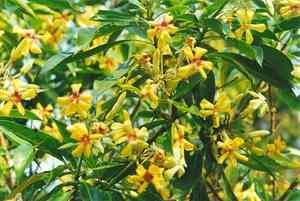
Hymenosporum flavum flourishes when reproduced via cuttings. To achieve successful cultivation, acquire semi-hardwood sections during an appropriate season and apply a rooting stimulant to foster root formation. Insert the cuttings into a rich, free-draining substrate in a location with dappled light, preventing direct sun exposure that could hinder root anchoring. Consistent irrigation and sustaining adequate soil dampness, without saturation, will encourage robust development and integration.
Optimal Period for Propagating Native Frangipani
Propagation Method
Cutting
Propagation Period
Autumn,Winter
Tools Required for Native Frangipani Propagation
Sharp pruning shears or knives
Crucial for obtaining clean, precise cuts from native frangipani, preventing tissue damage or crushing. This promotes healthier cuttings with a higher chance of successful rooting.
Rooting hormone
Stimulates root formation in native frangipani cuttings, significantly boosting propagation success. Applying it to the cut end before planting greatly improves rooting efficiency.
Sterile potting mix
An essential well-draining, sterile medium for rooting native frangipani cuttings, preventing fungal issues and ensuring adequate moisture. This environment supports healthy root growth free from common pathogens.
Pots or propagation trays
Containers for planting native frangipani cuttings. They must offer good drainage and sufficient space for growth. Individual pots or trays help manage moisture levels effectively for each cutting.
Plastic covers or humidity domes
Maintaining high humidity is beneficial for native frangipani cuttings to prevent water loss during root development. Covers or domes also help stabilize temperature, which is vital for the rooting process.
How to Propagate Native Frangipani?
Propagation Type
Moderately Difficult
Post-Propagation Care for Your Native Frangipani
Post-Propagation Care for Your Native Frangipani
After successful propagation of native frangipani, continue growing the plant in a protected spot with filtered light. Gradually expose it to more sunlight. Water consistently to keep the soil moist, ensuring good drainage to avoid root rot. Lightly fertilize with a balanced, slow-release product after a few months. Monitor for common pests and diseases and treat as needed to maintain plant vitality.
Common Errors to Avoid When Propagating Native Frangipani
Over-watering
Excessive watering of native frangipani after propagation can lead to root rot. This condition is harmful as it hinders the plant's ability to absorb vital nutrients and water, ultimately impeding growth and survival.
Deep planting
Planting native frangipani cuttings too deeply can bury nodes essential for shoot development. This error can restrict air and light exposure, inhibiting photosynthesis and new growth.
Using old or blunt tools
Propagating native frangipani with dull or contaminated tools can damage tissues and introduce pathogens. This can result in poor growth or disease, lowering the propagation success rate.
Tips For Propagating Native Frangipani
Use healthy cuttings
Selecting robust, disease-free cuttings from native frangipani is vital. Healthy cuttings have a greater chance of rooting and developing into strong plants.
Maintain humidity
Keeping the environment humid around new native frangipani cuttings helps prevent moisture loss from leaves, which is crucial for root establishment.
Apply rooting hormone
Using rooting hormone on the cut base of native frangipani cuttings can significantly boost root development. This accelerates propagation and increases the likelihood of success.



