How to Propagate Polka dot plant?
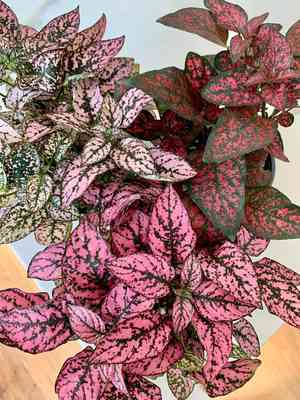
The optimal period for propagating Polka dot plant is in Spring and Summer, utilizing cuttings. This procedure is quite straightforward, with indicators of success being the emergence of new foliage. Ensure the cuttings remain damp and in a partially shaded environment to improve their likelihood of developing roots.
Optimal Time for Polka Dot Plant Propagation
Propagation Type
Cutting
Propagation Season
Spring, Summer
Tools for Polka Dot Plant Propagation
Pruning Shears
Sharp, sterilized pruning shears are vital for taking polka dot plant cuttings. Stainless steel blades prevent rust and ensure clean cuts, minimizing harm or infection to the parent plant. Clean cuts promote a high survival rate for new cuttings as they establish roots.
Rooting Hormone
Applying rooting hormone to the cut end of a polka dot plant cutting can significantly boost the likelihood of successful root formation. This substance stimulates root growth, reducing the time needed for rooting and increasing the overall propagation success rate.
Sterile Potting Mix
A pathogen-free potting mix is crucial for preventing disease in young polka dot plant plants. The mix should drain well yet retain enough moisture to support cuttings as they develop roots. A blend of peat, perlite, and vermiculite is often recommended for this species.
Small Pots or Trays
Clean, small containers are suitable for individual polka dot plant cuttings, offering adequate space for initial root development. The size should be appropriate for the cutting, allowing growth without being too large, which can lead to excess moisture and potential root rot.
Plastic Bags or Domes
Maintaining high humidity around polka dot plant cuttings is essential for their survival and growth. A plastic bag or dome over the pot creates a greenhouse effect, trapping moisture and warmth to encourage rooting without frequent watering.
Heating Mat (Optional)
While not strictly necessary, a heating mat can be placed under the propagation tray to maintain a consistent, optimal temperature that encourages root development for polka dot plant. This is especially useful in cooler environments or seasons.
How to Propagate Polka Dot Plant?
Propagation Type
Cutting
Difficulty Level
Easy
Caring for Your Newly Propagated Polka Dot Plant
How to Care for Your Newly Propagated Polka Dot Plant?
After propagating polka dot plant, maintain consistent moisture without overwatering, as waterlogged soil can lead to root rot. Place the new polka dot plant plant in a location with bright, indirect light and maintain a temperature range between 60-75°F. Fertilize monthly with a balanced, water-soluble fertilizer during the growing season. Prune regularly to encourage bushiness and pinch off flower buds to keep the foliage vibrant. Monitor for common pests such as aphids and spider mites, and treat as necessary.
Common Mistakes to Avoid When Propagating Polka Dot Plant
Watering issues
Both excessive and insufficient watering can cause problems during polka dot plant propagation. Overwatering may lead to root rot, especially in developing cuttings, while underwatering can cause the cutting to dry out before it establishes.
Cutting technique
Improper cutting technique can harm the parent polka dot plant plant and the cuttings. A clean, angled cut is necessary to ensure the health of both the parent plant and the potential for the cutting to root.
Ignoring humidity
Failing to provide a high-humidity environment for polka dot plant cuttings can result in poor root development. Polka dot plant cuttings thrive in moist environments as they establish new root systems.
Tips For Propagating Polka Dot Plant
Use of growth medium
Employing a well-draining propagation medium, such as a mix of perlite and peat, will provide the right balance of moisture and aeration necessary for the rooting of polka dot plant cuttings.
Lighting conditions
Polka dot plant requires bright, indirect light to root successfully. Direct sunlight should be avoided as it can damage the delicate cuttings.
Proper cutting selection
Choosing healthy, non-flowering stems for cuttings increases the chances of successful propagation for polka dot plant, as flowering stems may not root as effectively.



