How to Propagate American holly?
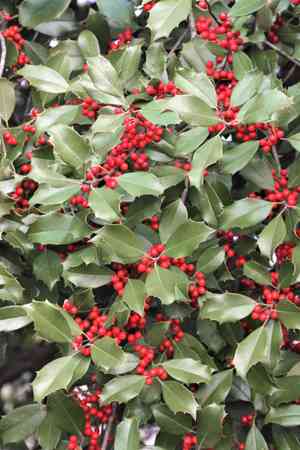
The primary methods for propagating American holly involve taking cuttings and layering during the spring season, which facilitates the best growth. The level of difficulty for propagation is moderate, and indicators of success include the emergence of roots and foliage. It is crucial to sustain adequate soil dampness and warmth throughout this procedure.
Optimal Period for American Holly Propagation
Propagation Method
Cuttings
Propagation Period
Fall,Winter
Tools Required for American Holly Propagation
Sharp pruning shears
These are vital for making clean cuts from american holly. A keen blade ensures a precise incision, minimizing harm to the parent plant and boosting the likelihood of cuttings taking root. Sterilizing the shears before use is crucial to prevent disease spread.
Rooting hormone
Applying rooting hormone to the base of american holly cuttings can significantly improve root formation. This product stimulates root growth, leading to a higher propagation success rate.
Potting medium
A well-draining, sterile potting mix or vermiculite offers the perfect environment for american holly cuttings to establish roots. It aids in aeration and moisture retention, both essential for new root development.
Propagation tray with dome
This setup maintains high humidity around the american holly cuttings, mimicking a greenhouse. The dome helps retain moisture and warmth, key factors in promoting root development.
Heat mat
Placed beneath the propagation tray, a heat mat provides consistent bottom warmth, encouraging faster root growth in american holly cuttings. This added heat is especially beneficial during cooler months or in colder climates.
Misting bottle
A bottle used for gently misting american holly cuttings helps maintain high humidity without overwatering. Excessive moisture can lead to fungal issues, so a misting bottle allows for controlled hydration.
Sterilizing solution
A solution, such as a bleach or alcohol mixture, is used to sterilize tools and containers before use. This step is critical in preventing contamination and disease in american holly cuttings.
Post-Propagation Care for American Holly
How to Care for Your Newly Propagated American Holly?
Once american holly cuttings have rooted, gradually acclimate them by removing the humidity cover for longer durations daily. When new growth appears, transplant them into larger pots or their permanent spot. Keep the soil consistently moist and provide partial to full sunlight. Shield american holly from extreme temperatures and ensure good air circulation to prevent fungal diseases. Fertilize sparingly during the growing season, avoiding overfeeding, as american holly is sensitive to excess nutrients.
Common Errors to Avoid When Propagating American Holly
Poor cutting selection
Choosing american holly cuttings that are either too young or too old can lead to unsuccessful propagation. Cuttings that are too young may lack sufficient stored energy for root development, while overly mature cuttings might be too woody to root easily.
Overwatering
Providing too much water can result in root rot or fungal diseases in american holly. This excessive moisture can create an anaerobic environment that hinders root development.
Underestimating the size of mature plants
Failing to consider the mature size of american holly when planting can lead to overcrowding, resulting in poor air circulation, reduced light penetration, and increased susceptibility to pests and diseases.
Ignoring soil ph requirements
Not adjusting the soil pH to meet the acidic preference of american holly can impede its root development and nutrient uptake, impairing its growth and overall health.
Neglecting pre-treatment of seeds
Skipping the stratification process for american holly seeds can lead to poor germination rates because this process is necessary to break seed dormancy.
Tips For Propagating American Holly
Select semi-hardwood cuttings
Using semi-hardwood cuttings from new growth that has begun to mature increases the chances of successful root development for american holly.
Monitor soil moisture
Maintaining evenly moist but not waterlogged soil conditions is crucial for the rooting of american holly cuttings to prevent rot while providing enough moisture for root initiation.
Space plants appropriately
Allowing adequate space not only accommodates the mature size of american holly but also promotes good air circulation and access to sunlight, which is vital for healthy growth.
Soil ph adjustment
Acidifying the soil to the preferred pH range for american holly ensures the proper nutrient availability and optimizes root development and overall plant vitality.
Seed stratification
Mimicking the natural cold stratification process by refrigerating seeds of american holly for a specific period can break dormancy and enhance germination success.



