How to Propagate Spotted touch-me-not?
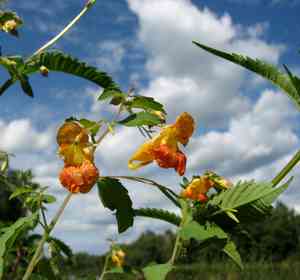
Impatiens capensis reproduces by planting seeds in the springtime. It is simple to propagate, exhibiting successful sprouting with developing young plants. Maintain a damp setting and shield from direct solar exposure during early development.
Optimal Period for Propagating Spotted Touch-me-not
Propagation Method
Seeding
Propagation Period
Spring
Tools Required for Spotted Touch-me-not Propagation
Seed trays or flats
These shallow containers are perfect for initiating spotted touch-me-not seeds, offering ample space for seed distribution and proper spacing. They also simplify moisture monitoring and minimize the risk of excessive watering.
Fine-textured seed starting mix
A sterile seed-starting medium is crucial for spotted touch-me-not seeds; it's formulated to retain moisture while ensuring adequate drainage, which helps prevent seed decay and promotes robust root growth.
Misting bottle or spray nozzle
Misting offers a gentle method to water spotted touch-me-not seeds without dislodging them or causing soil erosion. Consistent moisture is vital for germination, and misting effectively maintains the required humidity.
Clear plastic dome or wrap
Covering seed trays with a transparent dome or plastic film creates a miniature greenhouse effect, fostering a high-humidity environment ideal for spotted touch-me-not seed germination. It also aids in stabilizing soil temperature.
Heat mat
A heat mat gently warms the soil, which can be advantageous for germinating spotted touch-me-not seeds. It encourages more uniform and quicker germination by ensuring a steady soil temperature, particularly in cooler regions or during off-season propagation.
Grow lights
If natural light is insufficient, grow lights can supply the necessary spectrum for spotted touch-me-not seedlings to develop healthy foliage and strong stems, essential for their subsequent growth post-propagation.
Perlite or vermiculite
Adding these materials to the seed starting mix can improve aeration and drainage, properties important for spotted touch-me-not seeds as they need a balance of moisture and oxygen for optimal germination and root development.
How to Propagate Spotted Touch-me-not
Propagation Method
Seeding
Difficulty Level
Simple
Post-Propagation Care for Your Spotted Touch-me-not
Post-Propagation Care for Your Spotted Touch-me-not
Following propagation, spotted touch-me-not thrives in moist, well-drained soil and partial to full shade. Water the plant regularly to keep the soil consistently damp. Avoid overhead watering to lessen the chance of fungal diseases. Fertilize lightly once a month during the active growth period. Remove spent flowers to encourage continuous blooming. Shield the plant from strong winds and extreme heat.
Common Errors to Avoid When Propagating Spotted Touch-me-not
Overwatering
Providing too much water during spotted touch-me-not propagation can lead to root rot or fungal development, harming young plants and reducing their survival chances.
Using dense soil
Employing a heavy or poorly-drained soil medium can cause water accumulation, leading to issues similar to overwatering, such as root decay.
Deep sowing
Planting spotted touch-me-not seeds too deeply can prevent them from emerging through the soil surface, impeding germination.
Ignoring humidity
Neglecting the humidity requirements of spotted touch-me-not can result in poor germination rates, as this species flourishes in higher humidity levels.
Excessive handling
Frequent disturbance of spotted touch-me-not seeds or seedlings can damage delicate roots and stems, hindering plant growth and vitality.
Advice for Propagating Spotted Touch-me-not
Moisture control
Maintaining consistent soil moisture without overwatering is crucial for the successful germination of spotted touch-me-not seeds.
Light soil medium
Utilize a light, well-draining soil mix to promote healthy root development and prevent waterlogging.
Shallow planting
Sow spotted touch-me-not seeds just beneath the soil surface â a thin layer of soil is sufficient to protect the seeds while allowing for easy emergence.
Maintain humidity
Keep the soil environment humid by gently misting and covering with a plastic dome or wrap; this creates a mini greenhouse effect beneficial for spotted touch-me-not seed germination.
Gentle handling
Handle spotted touch-me-not seeds and seedlings with care, especially during transplanting, to avoid damaging sensitive roots and stems.



