How to Propagate New guinea impatiens?
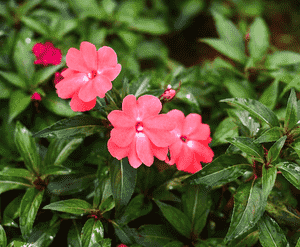
To successfully propagate, plant New Guinea Impatiens seeds in the spring, which is their most suitable period. The level of difficulty is typically average. Observe for the appearance of sprouts as an indication of successful germination. Provide appropriate illumination and moisture conditions for the best outcomes.
What Is the Best Time To Propagate New Guinea Impatiens?
Propagation Type
Sowing
Propagation Season
Spring
What Tools Are Used in New Guinea Impatiens Propagation?
Seed tray
A shallow container with drainage holes, utilized to start new guinea impatiens seeds under regulated environmental conditions. It ensures ample space for growth and essential air circulation.
Seed-starting mix
A light, well-draining soil blend that offers the ideal medium for new guinea impatiens seeds to sprout. It promotes robust root development and minimizes the risk of soil-borne illnesses.
Misting bottle
Used to gently moisten the soil surface without disturbing the new guinea impatiens seeds. This ensures delicate seeds and seedlings receive hydration without being dislodged or overwatered.
Heat mat
An adjustable mat that provides consistent warmth from below, crucial for new guinea impatiens seed germination. It maintains a stable temperature, essential for successful germination in this species.
Grow lights
Artificial illumination that offers an adequate spectrum for new guinea impatiens seedling growth when natural light is insufficient. It ensures proper development and prevents seedlings from becoming leggy.
Transparent cover
A clear lid that creates a humid microclimate over the seed tray, which is beneficial for new guinea impatiens seed germination. It keeps moisture levels high and temperature stable, both vital for seedling emergence.
How to Propagate New Guinea Impatiens?
Propagation Type
Sowing
Difficulty Level
Easy
How to Care for Your Newly Propagated New Guinea Impatiens?
How to Care for Your Newly Propagated New Guinea Impatiens?
After propagation, new guinea impatiens needs bright, indirect light and consistent moisture without becoming waterlogged. Provide warm temperatures and high humidity, if possible. Fertilize with a balanced, water-soluble fertilizer according to product directions. Watch for signs of pests or diseases. As plants grow, pinch back tips to encourage bushier growth. If necessary, transplant new guinea impatiens into larger pots or a permanent spot ensuring good drainage.
Common Mistakes to Avoid When Propagating New Guinea Impatiens
Overwatering cuttings
Cuttings of new guinea impatiens are prone to rot when exposed to excessive moisture. Overwatering can lead to fungal growth and reduce the likelihood of successful rooting.
Taking cuttings from diseased plants
Cuttings taken from unhealthy or diseased new guinea impatiens parent plants may transmit the disease to the new plant, affecting its growth and survival prospects.
Using dull cutting tools
Dull or uncleaned tools can crush or damage the stems of new guinea impatiens, impeding the plantâs ability to develop roots from the cutting.
Neglecting humidity requirements
New guinea impatiens cuttings require a humid environment to root effectively. Insufficient humidity can cause cuttings to dry out before they establish roots.
Tips For Propagating New Guinea Impatiens
Sterile equipment
Using sterile pruning tools helps prevent infection and promotes healthy root development in new guinea impatiens cuttings.
Moisture control
Maintain a balanced moisture level in the growing medium to prevent rot and support root growth for new guinea impatiens cuttings.
Proper cutting selection
Choosing healthy and vigorous stems from the parent new guinea impatiens increases the likelihood of successful propagation.
Appropriate humidity levels
Creating a humidity dome or using a propagation tray with a lid can provide the necessary humidity for new guinea impatiens cuttings to root effectively.



