How to Propagate Yellow jewelweed?
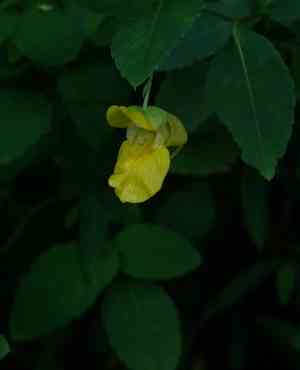
Yellow jewelweed flourishes when cultivated by planting seeds in early Spring. This variety is quite simple to reproduce, with successful sprouting evident from developing young plants. A damp setting and sufficient room guarantee robust development.
Optimal Period for Propagating Yellow Jewelweed?
Propagation Method
Seeding
Propagation Season
Spring
Tools Utilized in Yellow Jewelweed Propagation?
Seed trays
Seed trays are perfect for initiating yellow jewelweed from seeds. These containers facilitate efficient organization and management of numerous seedlings within a controlled setting. Their compact design aids in maintaining consistent soil moisture and temperature, vital for yellow jewelweed germination.
Peat pots
Peat pots offer a biodegradable container that can be directly planted into the ground, minimizing transplant shock for yellow jewelweed. This is especially advantageous for yellow jewelweed, as it is delicate during its initial growth phases. Peat pots help protect the fragile root system of yellow jewelweed during transplantation.
Humidity domes
Humidity domes cover seed trays to create a humid microclimate, replicating the naturally moist environment where yellow jewelweed thrives. This tool is crucial for preventing seedling desiccation and promoting successful germination and early development.
Misting bottle
A misting bottle is essential for gently watering yellow jewelweed seeds. It delivers a fine spray that moistens the soil without causing erosion or dislodging the seeds, which could disrupt their germination and initial growth.
Labeling materials
Labels and markers are simple yet vital instruments for identifying various plant species in propagation setups. For yellow jewelweed, where specific care routines may be necessary during germination, labeling assists in tracking and applying the correct care protocols.
How to Propagate Yellow Jewelweed?
Propagation Type
Simple
How to Care for Your Newly Propagated Yellow Jewelweed?
How to Care for Your Newly Propagated Yellow Jewelweed?
After transplanting, provide yellow jewelweed with partial shade, as excessive direct sunlight can scorch its leaves. Water regularly to keep the soil moist, but ensure good drainage to prevent root rot. Fertilize lightly every 4-6 weeks with a balanced liquid fertilizer. Continue to monitor for pests like aphids and fungal diseases, treating as needed to maintain plant health.
Common Errors to Avoid When Propagating Yellow Jewelweed
Overwatering
When propagating yellow jewelweed, excessive watering can lead to root rot and fungal infections, jeopardizing the plant's health and reducing its chances of successful propagation.
Deep Planting
Planting yellow jewelweed seeds or cuttings too deeply can impede their ability to germinate or root effectively. This error can limit exposure to necessary air and light, crucial for growth initiation.
Using Diseased Plant Material
Beginning propagation with diseased or pest-infested cuttings or seeds of yellow jewelweed can transfer the issue to new plants, hindering propagation success and overall plant vitality.
Neglecting Humidity
Failing to maintain adequate humidity during yellow jewelweed propagation can cause the plant material to dry out, reducing the viability of the propagation material and lowering success rates.
Tips For Propagating Yellow Jewelweed
Use Fresh Seeds
For seed propagation, utilizing fresh yellow jewelweed seeds increases germination rates, as older seeds may have reduced viability. Ensure seeds are harvested at the correct time and stored properly until planting.
Sterile Environment
Using sterile soil and sanitized tools when propagating yellow jewelweed prevents the introduction and spread of diseases, which is vital for the healthy establishment of new plants.
Adequate Light Exposure
Ensuring moderate light exposure for germinating yellow jewelweed seeds or rooting cuttings supports healthy growth. Direct sunlight might be too intense, but a bright, indirect light setting is beneficial.
Proper Soil Moisture
Maintaining the soil moist, but not waterlogged, is crucial during the early stages of propagating yellow jewelweed. This balance supports root growth without risking water-related diseases.



