How to Propagate Japanese Iris?
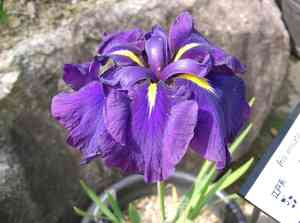
Japanese Iris flourishes after its root structures are split. Gently unearth and detach the tubers prior to re-establishing them to stimulate fresh development. When managing the divisions, confirm that each possesses a segment of the rhizome and a cluster of foliage. Embed these portions in soil that drains effectively, abundant in organic compounds, to provide them with an excellent beginning. Sufficient distance between plants is vital for peak growth and to avoid excessive density.
Optimal Time for Japanese Iris Propagation
Propagation Method
Utilize The Tubers
Propagation Period
Spring
Tools for Japanese Iris Propagation
Garden Fork
A garden fork is vital for loosening and turning the soil around japanese Iris, ensuring proper aeration before tuber planting. It aids in creating an ideal growing environment, crucial for japanese Iris roots to expand and absorb nutrients effectively.
Sharp Knife
A sharp knife is necessary for dividing japanese Iris tubers efficiently. It ensures clean cuts, preventing tuber damage and reducing disease risk. A sharp, sterilized knife helps maintain tuber health and viability during division.
Trowel
A trowel is used for digging small holes or trenches to plant divided japanese Iris tubers. It allows for precise handling and placement of tubers at the correct depth, essential for successful germination and growth.
Watering Can with a Fine Rose
This tool is beneficial for providing gentle, even water distribution, minimizing soil disruption around newly planted japanese Iris tubers. Proper hydration is crucial for the initial establishment of tubers in their new environment.
Rooting Hormone Powder
Applying rooting hormone powder to cut surfaces of japanese Iris tubers can significantly enhance root development, leading to better establishment and growth. This product stimulates root growth, increasing successful propagation chances.
Caring for Newly Propagated Japanese Iris
Caring for Newly Propagated Japanese Iris
Ensure consistent soil moisture for japanese Iris, but avoid overwatering. They prefer full sun to partial shade and benefit from fertile, acidic to neutral soil. Fertilize in early spring with a balanced fertilizer and provide a layer of mulch to maintain moisture and suppress weeds. Divide every 3 to 4 years to rejuvenate and prevent overcrowding.
Common Errors to Avoid When Propagating Japanese Iris
Overwatering
Overwatering can lead to root rot in japanese Iris, which prefers moist but well-drained conditions. Excessive moisture can suffocate roots, reducing nutrient absorption and making the plant susceptible to diseases.
Allowing rhizomes to dry out
Letting japanese Iris rhizomes dry out before or during planting can hinder root development. This mistake could lead to poor establishment or even plant death.
Planting too deep
Planting japanese Iris rhizomes too deeply can prevent proper growth and flowering. It is crucial for rhizomes to be placed at the correct depth to ensure adequate exposure to sunlight and air.
Ignoring soil pH
Not adjusting the soil to the preferred acidic pH for japanese Iris can limit nutrient uptake and affect overall plant health and blooming. Japanese Iris thrives in slightly acidic soil conditions.
Overcrowding
Planting japanese Iris rhizomes too close together can inhibit air circulation and lead to competition for nutrients, negatively impacting plant growth and bloom production.
Advice for Propagating Japanese Iris
Effective moisture management
Maintain consistent moisture levels for japanese Iris without overwatering. Utilize well-draining soil to prevent waterlogging and the potential for root rot.
Careful rhizome handling
Keep japanese Iris rhizomes moist until planted, and ensure gentle handling to avoid damage that can affect root development and plant health.
Correct planting depth
Plant japanese Iris rhizomes just below the soil surface, ensuring the tops are slightly exposed to promote proper growth and flower establishment.
Soil pH optimization
Test and adjust the soil pH to be slightly acidic, optimizing nutrient availability and uptake for the healthy growth of japanese Iris.
Adequate rhizome spacing
Provide sufficient space between japanese Iris rhizomes when planting to ensure ample air circulation, reduce disease risk, and encourage strong growth and abundant flowering.



