How to Propagate Yellow flag?
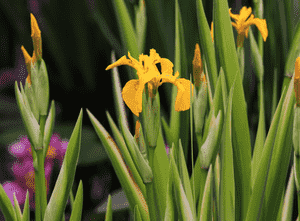
The most effective method for propagating Yellow flag involves using its tubers, preferably during the spring season. This particular plant can present a moderate challenge in terms of propagation. Observe for the emergence of new shoots as an indicator of successful propagation. To achieve the best outcomes, guarantee sufficient hydration and a growing medium that drains effectively.
Optimal Period for Yellow Flag Propagation
Propagation Method
Utilize The Tubers
Propagation Season
Spring
Tools Required for Yellow Flag Propagation
Garden Trowel
A garden trowel is essential for carefully excavating and lifting yellow flag's tubers from the soil without causing harm. Its slender blade enables precise work around the root system, minimizing disruption to nearby plants.
Pruning Shears
Sharp pruning shears are necessary for separating tubers from the main plant. They must be sanitized prior to use to prevent disease transmission. Clean cuts will help ensure the vitality of both the parent plant and the new propagules.
Tray with Moist Sand or Peat
A tray filled with damp sand or peat offers an optimal environment for cut tubers to form calluses and begin rooting. Maintaining yellow flag tubers in controlled humidity and temperature conditions will aid successful root development.
Rooting Hormone
Rooting hormone can be applied to the severed ends of yellow flag's tubers to stimulate root growth and improve the chances of successful propagation. The use of rooting hormone is particularly advantageous for accelerating the rooting process.
Plant Labels and Permanent Marker
Plant labels marked with a permanent marker are vital for recording details such as the propagation date and any specific treatments applied to yellow flag. Proper labeling assists in tracking progress and organizing the propagation process.
How to Propagate Yellow Flag
Propagation Method
Utilize The Tubers
Difficulty Level
Easy
Caring for Your Newly Propagated Yellow Flag
Caring for Your Newly Propagated Yellow Flag
In the initial weeks post-propagation, keep the soil consistently moist but avoid saturation. Yellow flag will thrive in a garden spot receiving full sun to partial shade with ample water, mimicking its natural wetland habitat. During the growing season, apply a balanced fertilizer sparingly, as yellow flag does not require heavy feeding. Periodically check for pests and diseases, and remove any dead or damaged foliage to maintain plant health and encourage robust growth. In winter, yellow flag may die back, but will reemerge in the spring. Apply a light mulch for protection in colder climates, but be careful not to cover the rhizomes too deeply.
Common Errors to Avoid When Propagating Yellow Flag
Overwatering
Excessive watering can lead to root rot in yellow flag, as it prefers moist but well-drained conditions. Waterlogged soil can suffocate the roots, preventing yellow flag from absorbing essential nutrients and potentially causing fungal infections.
Poor division technique
When dividing yellow flag rhizomes, cutting them too small or damaging them is a mistake. This can impede root development, hinder growth, and reduce the survival rate for the new plants.
Ignoring rhizome health
Selecting diseased or pest-infested rhizomes for propagation could result in poor growth or spread of the issue to the entire batch of propagated yellow flag. Healthy rhizomes are crucial for successful growth.
Planting depth
Planting the rhizomes of yellow flag either too deep or too shallow can be detrimental. Incorrect planting depth can prevent shoot emergence or make the plant more susceptible to environmental stress and disease.
Tips For Propagating Yellow Flag
Correct soil composition
For yellow flag, use soil that retains adequate moisture yet allows excess water to drain. Loamy soil that is slightly acidic to neutral is ideal for supporting the growth of yellow flag.
Rhizome division timing
Divide yellow flag rhizomes when the plant is dormant. This minimizes stress on yellow flag and promotes quicker recovery and growth of divisions. Ensuring the rhizome has several growth points also enhances the success rate.
Pest & disease inspection
Before propagation, inspect rhizomes of yellow flag for signs of pests and disease. Use only healthy, vigorous rhizomes to increase the likelihood of successful establishment and growth.
Caring for divisions
After dividing yellow flag, water the new plantings thoroughly to encourage new root development. Maintaining consistent moisture without overwatering is key for the divisions to establish.



