How to Propagate Common jasmine?
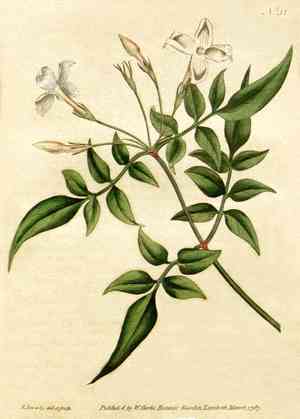
Jasmine plants can be successfully multiplied through the use of cuttings, which must originate from robust and uninfected parent specimens. Select wood that is partially matured and confirm that the cuttings measure an appropriate length, typically between 4 and 6 inches, and possess multiple leaf junctions. Prepare the cuttings by executing a precise incision beneath a node, then strip away the bottom leaves to minimize water evaporation. To achieve optimal outcomes, immerse the severed end in a rooting stimulant before inserting it into a potting medium that drains efficiently. Maintain consistent moisture in the substrate and offer diffused illumination until root systems emerge.
When Is the Optimal Time to Propagate Common Jasmine?
Propagation Type
Cutting
Propagation Season
Spring,Summer
What Equipment Is Used for Common Jasmine Propagation?
Sharp pruning shears
These are vital for taking clean, healthy cuttings from common jasmine. Sharp blades ensure a precise cut, minimizing harm to the parent plant and boosting the cuttings' survival rates.
Rooting hormone
This chemical compound encourages root development from common jasmine cuttings. Applying rooting hormone to the cut end aids in enhancing root formation, crucial for successful propagation.
Sterile potting mix
A well-draining, sterile potting medium offers the perfect setting for common jasmine cutting root growth. It reduces the risk of soil-borne illnesses that could impede new root development.
Propagation trays
These trays are useful for arranging and cultivating multiple common jasmine cuttings simultaneously. They help maintain the necessary humidity and temperature, which are critical for root development.
Clear plastic covers
Covering propagation trays with clear plastic helps maintain high humidity levels around common jasmine cuttings. This creates a mini-greenhouse effect, promoting faster rooting and growth.
Misting bottle
A fine misting bottle is essential for keeping common jasmine cuttings moist without over-saturating the potting medium. This helps prevent rot while ensuring cuttings have sufficient moisture to thrive.
How to Propagate Common Jasmine?
Propagation Type
Moderately Difficult
How to Care for Your Newly Propagated Common Jasmine?
How to Care for Your Newly Propagated Common Jasmine?
Once the common jasmine cutting has developed a robust root system, gradually introduce it to its permanent environment. This might involve slowly moving it to a brighter spot and lowering the humidity around the plant. Ensure it receives ample indirect sunlight, consistent watering, and monthly feeding during its active growth period. Prune common jasmine to maintain its desired shape and encourage denser growth.
Common Errors to Avoid When Propagating Common Jasmine
Over-watering
Excessive moisture can lead to root rot, a condition detrimental to common jasmine's root health and overall growth prospects.
Deep planting
Burying cuttings too deeply can suffocate new roots, hindering successful common jasmine propagation.
Overcrowding
Placing too many cuttings in one container restricts air circulation and can foster fungal diseases, impacting common jasmine's health.
Using old or diseased cuttings
Starting propagation with compromised material reduces the potential for healthy growth and can spread disease in common jasmine.
Neglecting hygiene
Not sterilizing tools or containers introduces pathogens, which can result in infections and failed common jasmine propagation.
Tips For Propagating Common Jasmine
Healthy cuttings
Choose healthy, disease-free cuttings from mature common jasmine growth to ensure vigorous rooting and plant development.
Proper planting depth
Plant cuttings shallowly to allow for adequate root development and oxygen access, essential for robust common jasmine growth.
Appropriate moisture
Maintain consistent moisture without oversaturation to nourish roots without causing rot, which is vital for common jasmine's successful propagation.
Adequate space
Space cuttings sufficiently to promote good air circulation, which helps prevent fungal diseases and ensures healthy common jasmine growth.
Clean propagation environment
Use clean, sterilized tools and containers to prevent the introduction of diseases during the common jasmine propagation process.



