How to Propagate Japanese garden juniper?
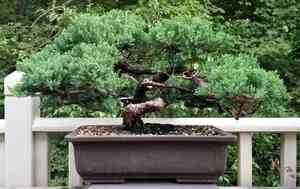
Japanese garden juniper is best propagated via cuttings and layering, with spring and summer being the prime periods. The propagation process presents a moderate challenge; successful rooting and the emergence of new leaves signify success. Maintaining appropriate humidity levels is crucial for the best outcomes.
Optimal Time for Japanese Garden Juniper Propagation
Propagation Method
Cutting
Propagation Period
Spring,Summer
Tools for Japanese Garden Juniper Propagation
Pruning Shears
Shears are vital for taking cuttings from japanese garden juniper. A clean, sharp pair minimizes harm to the parent plant and ensures a smooth cut, boosting the cutting's rooting potential.
Rooting Hormone
Rooting hormone can encourage root development in japanese garden juniper's cuttings. This aid is especially helpful for enhancing the rooting process and increasing propagation success.
Sterilization Supplies
Alcohol wipes or bleach solutions are used to sanitize pruning shears before taking japanese garden juniper cuttings. This step prevents disease spread and supports the cuttings' overall health.
Plant Pots
Small pots filled with appropriate potting mix offer an ideal setting for japanese garden juniper's cuttings to form roots. The size should fit the cutting without crowding, allowing proper root growth.
Potting Mix
A well-draining potting mix is crucial for japanese garden juniper's cuttings to establish a healthy root system. The mix should retain moisture while preventing waterlogging, which harms young cuttings.
Misting Bottle
A misting bottle helps maintain humidity around japanese garden juniper's cuttings, essential to prevent drying out before rooting. Adequate moisture is vital for new cuttings' survival and growth.
Plastic Bags or Domes
Clear plastic bags or domes create a greenhouse effect for japanese garden juniper's cuttings, providing a stable, humid environment that aids in new root development.
Labels and Markers
Labels and markers are important for identifying and tracking japanese garden juniper's cuttings. Proper labeling prevents confusion and ensures accurate monitoring throughout the rooting process.
Caring for Your Newly Propagated Japanese Garden Juniper
How to Care for Your Newly Propagated Japanese Garden Juniper?
Once rooted, gradually introduce new japanese garden juniper plants to outdoor conditions if they were rooted indoors. Plant them in well-drained soil with full to partial sun exposure. Japanese garden juniper prefers dry conditions and doesn't need frequent watering; ensure the soil is nearly dry before rewatering. Regular pruning maintains the desired shape and promotes compact, dense growth. Protect young plants from extreme cold in their first winter with mulch or other cover.
Common Propagation Mistakes to Avoid with Japanese Garden Juniper
Overwatering cuttings
Excessive watering can lead to root rot and fungal diseases, which can be detrimental to the cutting's health.
Using non-sterile equipment
Using unsterilized tools can introduce pathogens to japanese garden juniper, increasing the chance of disease and poor results.
Taking cuttings from unhealthy plants
Cuttings from unhealthy specimens may already be compromised, leading to lower propagation success rates.
Skipping rooting hormone
Not using a rooting hormone may reduce the likelihood of japanese garden juniper cuttings successfully developing roots.
Improper cutting length
Cuttings that are too short or too long may struggle to root or sustain themselves, hindering propagation success.
Tips for Propagating Japanese Garden Juniper
Humidity control
Maintaining proper humidity levels is crucial for japanese garden juniper cuttings to prevent desiccation and encourage rooting.
Soil type
Using a well-draining soil mix is essential for japanese garden juniper, as it provides the necessary conditions for root growth while preventing waterlogging.
Timing of cuttings
Taking cuttings during a period of active growth improves the chances of successful rooting for japanese garden juniper.
Use of rooting hormone
Applying rooting hormone to the cutting can significantly increase the chances of successful root development in japanese garden juniper.
Proper cutting technique
Ensuring a clean cut at a 45-degree angle can help increase the surface area for root growth and improve water uptake for japanese garden juniper.



