How to Propagate Rocky mountain juniper?
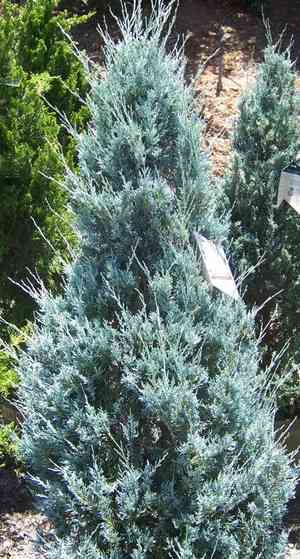
Juniperus scopulorum is best propagated in the fall and winter seasons via layering, cuttings, or seed planting. This propagation method presents a moderate challenge, with indicators of success being fresh shoots and root formation. Optimal outcomes depend on maintaining suitable environmental factors.
When Is the Best Time to Propagate Rocky Mountain Juniper?
Propagation Method
Cutting
Propagation Period
Fall,Winter
What Equipment Is Used in Rocky Mountain Juniper Propagation?
Pruning Shears
Pruning shears are vital for taking cuttings from rocky mountain juniper. They enable clean, precise cuts that minimize harm to the parent plant and boost the cuttingâs rooting potential. Sharp, sanitized pruning shears lower disease transmission risk and ensure a healthy cutting.
Rooting Hormone
Rooting hormone enhances the probability of successful root formation in rocky mountain juniper cuttings. It stimulates root development at the cutting's base, improving the overall propagation success rate. Applying rooting hormone is a crucial step for the cutting to establish its own roots effectively.
Potting Mix
A well-draining potting mix offers the perfect environment for rocky mountain juniper cuttings to develop roots. It should be pathogen-free and retain sufficient moisture to encourage root growth without becoming waterlogged, which could lead to rot.
Propagation Tray
Propagation trays allow numerous rocky mountain juniper cuttings to root in a contained, controlled setting. They help maintain consistent moisture and temperature, both vital for successful rooting. The tray should have drainage holes to prevent excess water accumulation.
Misting Bottle
A misting bottle facilitates gentle watering that keeps the rocky mountain juniper cuttingâs environment humid, which is important to prevent the delicate new roots from drying out. Regular misting provides necessary moisture without over-saturating the potting mix.
Plastic Dome or Cover
A plastic dome or cover helps maintain high humidity around rocky mountain juniper cuttings, critical for preventing water loss from leaves before the cutting has established roots. This microclimate can significantly improve rooting success rates.
Heating Mat (Optional)
While not strictly required, a heating mat can provide bottom heat, promoting faster root growth in rocky mountain juniper cuttings. This is particularly beneficial in cooler growing environments or during colder seasons.
How to Care for Your Newly Propagated Rocky Mountain Juniper?
How to Care for Your Newly Propagated Rocky Mountain Juniper?
After rocky mountain juniper cuttings have rooted and show new growth, gradually acclimate them to less humid conditions by removing the humidity dome for increasing durations daily. Once acclimated, transplant the cuttings into individual pots with a similar well-draining soil mix and place in an area with full sun to partial shade. Water young plants regularly to maintain slight soil moisture until well-established, then water less frequently. Rocky mountain juniper is drought-tolerant once established but benefits from occasional deep watering during extended dry spells. For optimal health and shape, prune rocky mountain juniper lightly in the spring.
Common Errors to Avoid When Propagating Rocky Mountain Juniper
Overwatering
Excessive watering can lead to root rot in rocky mountain juniper, as it prefers well-drained soil. Over-saturation of the substrate can cause roots to be deprived of oxygen and become susceptible to fungal diseases.
Using dull cutting tools
Blunt tools can damage rocky mountain juniper's tissue during cutting, leading to poor healing and increased vulnerability to disease.
Cuttings taken from unhealthy plants
Using material from weak or diseased specimens can result in poor propagation outcomes, as the cuttings lack the vigor needed for successful rooting and growth.
Ignoring soil composition
Failing to provide a well-draining soil mix can be detrimental to rocky mountain juniper's root development. This species requires a substrate that can retain moisture without becoming waterlogged.
Neglecting aftercare
Once cuttings are planted, they need the right conditions to thrive. Without proper care, such as maintaining humidity and monitoring for pests, cuttings are unlikely to establish well.
Tips For Propagating Rocky Mountain Juniper
Use sharp, sterile tools
Ensuring cleanliness and sharpness of cutting tools helps create clean cuts that heal quickly and are less prone to infection, promoting healthy growth in rocky mountain juniper.
Select healthy cutting sources
Choose strong, disease-free donor plants to increase the chances of successful propagation. Vigorous parent material contributes to more robust cutting survival.
Rooting hormone application
Applying a rooting hormone to the cuttings can stimulate root growth and improve the chances of successful plant establishment.
Provide optimal humidity
Maintaining a consistently high humidity level around the cuttings helps prevent moisture loss. This is particularly important for rocky mountain juniper which may otherwise struggle to develop new roots.
Monitor for pests and disease
Regularly inspecting for signs of pests and disease can help prevent infestations that may compromise the health of the cuttings and reduce the likelihood of successful propagation.



