How to Propagate Eastern red cedar?
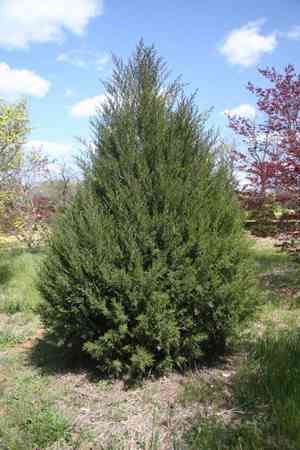
Eastern red cedar, is best multiplied in the Autumn or Winter season, utilizing techniques such as layering, taking cuttings, and planting seeds. This propagation process is generally straightforward, with new development indicating successful establishment. Provide adequate drainage and sufficient sunlight for optimal outcomes.
Optimal Period for Eastern Red Cedar Propagation
Propagation Method
Cutting
Propagation Season
Fall,Winter
Tools Utilized for Eastern Red Cedar Propagation
Sharp Pruning Shears
These are vital for obtaining cuttings from eastern red cedar. Blades must be sharp and clean to ensure a precise cut, reducing damage and the risk of disease transmission. A clean cut aids in better root development and quicker healing.
Rooting Hormone
This encourages root development on eastern red cedar cuttings, boosting the likelihood of successful propagation. The hormone can be a gel, powder, or liquid and is applied directly to the cut surface prior to planting.
Propagation Trays or Pots
Suitable containers are essential for holding eastern red cedar cuttings while they root. They should feature adequate drainage holes to prevent waterlogging, which can cause the cuttings to rot.
Soilless Potting Mix
A well-draining, sterile potting mix prevents disease and offers the necessary support and air circulation for eastern red cedar's roots. It typically contains peat, perlite, and vermiculite and is free of pathogens that could harm vulnerable cuttings.
Misting Bottle or System
To maintain the high humidity required for eastern red cedar cuttings to root, a fine mist that doesn't disturb the soil is necessary. This helps prevent the cuttings from drying out before roots establish.
Heating Mat
This device provides warmth from below, which promotes faster root growth in eastern red cedar cuttings. Rooting can be slow and challenging without consistent, gentle heat, especially in cooler environments.
Sterilizing Agent
Alcohol or a bleach solution is used to sanitize propagation tools before use on eastern red cedar, which helps prevent the spread of diseases among cuttings and ensures the health of new plants.
Caring for Your Newly Propagated Eastern Red Cedar
Caring for Your Newly Propagated Eastern Red Cedar
Once eastern red cedar cuttings have developed roots, gradually acclimate them to the surrounding environment by removing the humidity cover over a week. Transplant the rooted cuttings into individual pots or their permanent spot, ensuring they are in well-drained soil with full sun or partial shade exposure. Water regularly to keep the soil moist until established, then follow routine care, including seasonal watering, occasional fertilizing, and pruning for shape and health.
Common Errors to Avoid When Propagating Eastern Red Cedar
Insufficient soil preparation
Using improper soil types can hinder root development for eastern red cedar, as this species thrives in well-drained soils. Unsuitable soil can lead to water retention, resulting in root rot.
Excessive watering during rooting
While eastern red cedar cuttings require moisture to root, overwatering can lead to fungal infections. Proper drainage and moderate watering are crucial to prevent this.
Planting cuttings too deeply
Inserting eastern red cedar cuttings too far into the soil can suffocate potential roots and limit oxygen availability, which is essential for successful rooting.
Neglecting to provide adequate light
Failing to expose eastern red cedar cuttings to sufficient light can weaken them and impede root growth. They need sunlight to produce the energy required for rooting.
Ignoring sanitation practices
Not sterilizing tools or using diseased cuttings can introduce pathogens, hindering eastern red cedar propagation and potentially leading to plant failure.
Advice for Propagating Eastern Red Cedar
Utilize semi-hardwood cuttings
For eastern red cedar, semi-hardwood cuttings taken from the current year's growth offer an optimal balance of flexibility and maturity, increasing rooting potential.
Soil aeration
Ensuring the propagation medium is aerated and loose can enhance root formation, helping eastern red cedar cuttings establish more efficiently.
Rooting hormone application
Applying a suitable rooting hormone to the cut ends of eastern red cedar cuttings improves root initiation and development, boosting propagation success.
Balanced moisture control
Maintaining consistent moisture levels in the propagation medium is essential. It keeps eastern red cedar cuttings hydrated but not waterlogged, promoting healthy root growth.
Use a clean workspace
Keep tools and the work area clean and sanitized when handling eastern red cedar cuttings to minimize the risk of disease spread, ensuring healthier growth and propagation.



