How to Propagate Hyacinth bean?
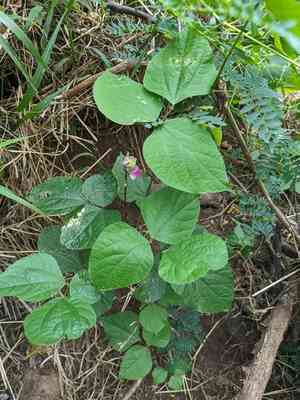
Hyacinth bean is readily multiplied by planting seeds in the springtime. Successful growth is indicated by the appearance of young plants. Soaking the seeds in water overnight could improve their sprouting success.
Optimal Period for Hyacinth Bean Propagation
Propagation Method
Seeding
Propagation Period
Spring
Tools Required for Hyacinth Bean Propagation
Seed trays or pots
Utilized as receptacles for initiating hyacinth bean seeds, they offer a regulated setting. The dimensions and depth are vital, as hyacinth bean possesses a rapidly developing taproot, thus deeper containers are favored to prevent root disruption during transplanting.
Sterile potting mix
Crucial for planting hyacinth bean seeds, a sterile potting medium decreases the likelihood of soil-borne pathogens that could impact seed sprouting and seedling development. The mixture should drain well to avert waterlogging, which could hinder root growth.
Watering can or spray bottle
Ensures gentle irrigation of hyacinth bean seeds and young plants to maintain damp conditions without disturbing the soil. A spray bottle is particularly useful immediately after sowing to prevent washing away the seeds.
Labels or markers
Essential for tracking hyacinth bean seed varieties or planting dates. Labels aid in monitoring germination periods and care requirements for the young plants.
Heating mat (optional)
While hyacinth bean seeds typically sprout well in warm conditions, a heating mat can provide steady bottom warmth to encourage quicker and more uniform germination, especially in cooler climates or seasons.
Grow lights (optional)
If natural sunlight is insufficient, grow lights can supply the necessary light spectrum to hyacinth bean seedlings for vigorous growth. This ensures they have ample energy for development before outdoor transplantation.
How to Propagate Hyacinth Bean?
Propagation Method
Seeding
Difficulty Level
Easy
Caring for Your Newly Propagated Hyacinth Bean
Caring for Your Newly Propagated Hyacinth Bean
Following successful propagation, hyacinth bean needs full sun and consistent watering, ensuring the soil stays uniformly moist but not waterlogged. Encourage continued growth by providing a trellis for climbing and apply a balanced fertilizer every 4-6 weeks. Watch for pests and diseases, and prune as needed to improve air circulation and manage the plant's size. As hyacinth bean can grow vigorously, regular trimming might be necessary. In colder regions, shield hyacinth bean from early frost to extend the growing season.
Common Errors to Avoid When Propagating Hyacinth Bean
Overwatering
Watering hyacinth bean seeds or seedlings too often can lead to waterlogged soil, which reduces oxygen availability to the roots. This can cause root rot and fungal diseases, potentially killing the young plants.
Improper soil mix
Using a soil mixture that doesn't drain well or lacks nutrients can impede hyacinth bean's root development. It's vital for the soil to be fertile and well-draining to promote healthy growth.
Planting depth
Burying hyacinth bean seeds too deeply might prevent them from germinating due to insufficient light or inability to push through the soil. Conversely, planting too shallowly may expose seeds to birds or leave them without enough soil contact to stay moist.
Ignoring pests
Neglecting to monitor for pests such as aphids and beetles can lead to infestations that weaken or destroy hyacinth bean. Even during propagation, it's important to keep an eye out for pests.
Tips For Propagating Hyacinth Bean
Seed treatment
Before planting, hyacinth bean seeds benefit from being nicked with a file and soaked in water for 24 hours. This scarification process breaks seed dormancy and accelerates germination.
Indirect light
After planting, place hyacinth bean seedlings in an area with bright but indirect light. Excessive direct sunlight can harm delicate new growth.
Consistent moisture
Maintain consistent moisture in the soil when propagating hyacinth bean to ensure the seeds don't dry out. Use a spray bottle to gently water without disturbing the seeds or eroding the soil.
Support structures
Provide trellises or other support structures early in the growth of hyacinth bean. Since hyacinth bean is a vining plant, it will need support to climb as it grows, and installing these structures early avoids damaging the root system later on.



