How to Propagate Bleeding heart?
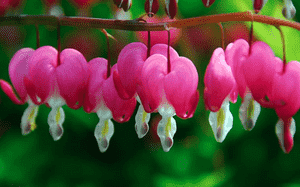
Dicentra spectabilis is most effectively propagated in the springtime. The favored technique involves planting seeds, a process of moderate difficulty. Successful reproduction is evidenced by the sprouting and appearance of young plants. Ensure the cultivation substrate remains uniformly damp throughout this stage.
What Is the Best Time To Propagate Bleeding Heart?
Propagation Type
Planting seeds
Propagation Season
Spring
What Tools Are Used in Bleeding Heart Propagation?
Seed trays
Seed trays offer an organized area for planting bleeding heart seeds. Their separate sections prevent crowding and help maintain consistent moisture and temperature, vital for seed germination.
Potting mix
A well-draining, nutrient-rich potting mix supports the initial growth of bleeding heart seeds by providing essential structure and nourishment. A blend with peat, perlite, and vermiculite can improve drainage and air circulation, fostering healthy root development.
Misting bottle
A misting bottle helps maintain humidity around bleeding heart seeds without excessive watering, which could otherwise cause fungal issues or seed rot. Gentle, regular misting ensures seedlings don't dry out during the crucial germination phase.
Heat mat
A heat mat gently warms the soil, boosting germination rates for bleeding heart seeds, which may need consistent, slightly warm temperatures to encourage sprouting.
Grow lights
Grow lights provide a steady light source for bleeding heart seedlings, crucial for photosynthesis and robust growth when natural light is insufficient or when starting seeds indoors during colder months.
Label and marker
Labels marked with a permanent marker ensure identification of bleeding heart at various growth stages. This aids in tracking progress and applying appropriate care practices for each propagation stage.
How to Propagate Bleeding Heart?
Propagation Type
Sowing
Difficulty Level
Simple
How to Care for Your Newly Propagated Bleeding Heart?
How to Care for Your Newly Propagated Bleeding Heart?
Provide bleeding heart with partial to full shade, as it prefers cooler conditions, and ensure well-drained soil that is kept moist but not waterlogged. Fertilize monthly with a balanced liquid fertilizer during the growing season. Avoid hot, direct sun exposure as it can scorch the delicate foliage. Cut back the foliage after it turns yellow and dies back in the fall. Mulch around bleeding heart to keep the roots cool and to retain moisture. With proper care, bleeding heart will become a beautiful, heart-shaped, flowering plant in the garden.
Common Mistakes to Avoid When Propagating Bleeding Heart
Overwatering
Keep the soil moist but not waterlogged to avoid root rot, which can be fatal for bleeding heart. Overwatering can suffocate the plant's roots, hindering growth or leading to disease.
Deep planting
When dividing bleeding heart, planting the divisions too deep can lead to poor growth or rot, as bleeding heart prefers to be planted shallow with the crown just below the soil surface.
Ignoring soil composition
Utilizing the wrong soil mix can lead to improper drainage and aeration, which is critical for the delicate roots of bleeding heart. They require a fertile, well-draining soil.
Neglecting pest control
During propagation, bleeding heart can be vulnerable to pests such as slugs. Not addressing pests early can lead to severe damage or failure in propagation.
Overcrowding
Planting bleeding heart divisions too close together can restrict air circulation, promoting fungal diseases. Adequate spacing is crucial for healthy growth.
Tips For Propagating Bleeding Heart
Root division
Carefully divide bleeding heart in early spring or after flowering. Ensure each division has at least one growth bud for successful propagation.
Soil fertility
Enhance the soil with compost or well-rotted manure before planting to provide nutrients needed for bleeding heart's growth.
Cutting length
When taking cuttings, use sections of the plant that are healthy and vigorous. A length of 4-6 inches is typically ideal for rooting.
Rooting hormone
Dip the cut end of the cutting into rooting hormone to stimulate root growth and increase the chances of successful propagation.
Humidity for cuttings
Maintain high humidity around cuttings by covering them with a plastic bag or placing them in a propagator until roots develop to prevent desiccation.



