How to Propagate European larch?
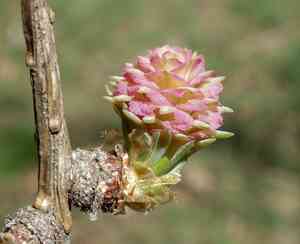
European larch can be most effectively propagated via layering, cuttings, or seeding, preferably in the fall or winter period. While propagation presents a moderate difficulty, thriving growth is indicated by robust root formation. Provide suitable environmental factors to improve the likelihood of successful propagation.
Optimal Period for European Larch Propagation
Propagation Method
Cutting
Propagation Period
Autumn,Winter
Tools Required for European Larch Propagation
Sharp Pruning Shears
Accuracy and carefulness are crucial when taking cuttings from european larch. Sharp pruning shears enable clean cuts that reduce harm to the parent plant and the cuttings, boosting the likelihood of successful rooting. A clean cut lessens the chance of infection, which is vital for the delicate initial stages of rooting in european larch.
Rooting Hormone
Rooting hormone encourages the development of roots in european larch cuttings. By stimulating root growth, the probability of successful propagation rises. For european larch, which might have a slower rooting process, rooting hormone ensures a stronger beginning, leading to healthier young plants.
Sterile Potting Mix
A sterile potting mixture is essential to provide a pathogen-free environment for european larch cuttings to establish roots. The mix must drain well while retaining enough moisture to encourage root growth without causing decay. It's also important for the mix to be loose enough for delicate new roots to easily penetrate.
Propagation Tray with Dome
A propagation tray with a clear dome creates a controlled, moist environment for european larch cuttings, which is necessary to prevent drying out while they develop roots. The dome's vents can be adjusted to gradually accustom the cuttings to less humid external conditions.
Post-Propagation Care for Your European Larch
Post-Propagation Care for Your European Larch
Following transplantation, continue to water the european larch deeply to encourage root development. Shield it from harsh weather or pests, and ensure it receives ample sunlight, as european larch thrives in full sun. Fertilize lightly in the spring, and as the european larch matures, thin the branches to allow for improved air circulation and light penetration. Prune in late winter to maintain desired form and size.
Common Errors to Avoid When Propagating European Larch
Overwatering cuttings
Excessive watering of cuttings can lead to root rot, which impedes rooting and growth, causing european larch's propagation to fail.
Neglecting humidity
Ignoring the necessity for a humid environment can cause european larch cuttings to dry out, hindering root formation.
Using older wood
Attempting to propagate european larch from older, tougher wood yields a lower success rate compared to using younger, more vigorous shoots.
Ignoring hygiene
Failing to sterilize propagation tools or containers can introduce pathogens, impacting the health and rooting success of european larch's cuttings.
Planting deeply
Inserting cuttings too far into the medium can restrict oxygen availability, impairing root development for european larch.
Advice for Propagating European Larch
Softwood cuttings
Use softwood cuttings from european larch for propagation as they root more readily than semi-hardwood or hardwood cuttings.
Bottom heat
Providing gentle bottom heat can enhance root development in cuttings of european larch, increasing the chances of successful propagation.
Adequate lighting
Ensuring that cuttings of european larch receive sufficient indirect light promotes healthy growth without causing heat stress.
Rooting hormone
Using rooting hormone can stimulate root growth in european larch cuttings, thereby improving propagation success rates.
Well-draining medium
Plant european larch cuttings in a well-draining medium to prevent waterlogging and promote aeration, facilitating healthy root development.



