How to Propagate Japanese larch?
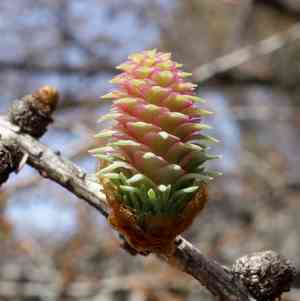
Larix kaempferi, a resilient coniferous species, lends itself well to various propagation techniques. Of these, the use of cuttings yields favorable results, particularly when performed during prime rooting seasons. Cultivators ought to choose vigorous, semi-lignified sections, trimming them to an appropriate size prior to insertion into a permeable, damp rooting substrate. Providing the cuttings with sufficient illuminationâavoiding direct solar exposureâand steady moisture encourages successful root development and subsequent establishment.
Optimal Time for Japanese Larch Propagation
Propagation Method
Cutting
Propagation Period
Autumn,Winter
Tools for Japanese Larch Propagation
Sharp Pruning Shears
Crucial for obtaining clean, healthy cuts from japanese larch, sharp pruning shears minimize harm to the parent plant and boost the likelihood of successful rooting. Their precise blades prevent tissue crushing, which can cause infections and poor growth in cuttings.
Rooting Hormone
Applying rooting hormone to the fresh cut base of japanese larch cuttings greatly improves root development. This substance encourages root growth at the cutting site, increasing propagation success by fostering quicker, stronger root formation, vital for new plant survival and establishment.
Propagating Tray and Dome
A propagating tray with a dome creates an ideal micro-environment for japanese larch cuttings by maintaining high humidity and stable temperatures. This setting is crucial for preventing cuttings from drying out before rooting, thus improving overall propagation success.
Sterile Potting Mix
Using a sterile potting mix for japanese larch cuttings offers a disease-free medium, essential for healthy root growth without soil-borne disease risks. The mix also ensures proper drainage and aeration, key factors for root development and young plant health.
Heat Mat
A heat mat can be strategically employed to maintain an optimal root-zone temperature for japanese larch cuttings. This slight temperature increase can significantly enhance rooting speed and success, as it promotes faster cellular activity and growth, crucial during early plant development.
Propagating Japanese Larch Guide
Propagation Difficulty
Moderately Difficult
Post-Propagation Care for Japanese Larch
Post-Propagation Care for Japanese Larch
After propagation, japanese larch needs careful attention for successful growth. Gradually reduce humidity around new plants for acclimatization. Initially, keep them in partial shade and protect from strong winds. As japanese larch matures, provide a full sun location. Water regularly, ensuring soil stays moist but well-drained, especially during dry periods. This species benefits from annual mulch to maintain soil moisture and nutrient levels. Monitor for pests or diseases and treat as needed.
Common Propagation Errors for Japanese Larch
Ignoring soil requirements
Using unsuitable soil types for japanese larch can impede root development, as japanese larch needs well-draining, slightly acidic soil. Inappropriate soil may lead to poor root health and increased disease susceptibility.
Inadequate moisture management
Both overwatering and underwatering japanese larch during propagation can be harmful. Japanese larch requires consistent moisture; too much can cause root rot, while too little can lead to dehydration and hinder growth.
Neglecting to use rooting hormone
Skipping the application of rooting hormone when propagating japanese larch cuttings can significantly reduce the chances of successful root formation, leading to propagation failure.
Using unsuitable cuttings
Choosing old or unhealthy branches for cuttings can result in poor or no rooting. Young, healthy, and vigorous branches have a higher success rate for rooting.
Japanese Larch Propagation Tips
Selecting proper cuttings
Choose healthy, vigorous semi-hardwood cuttings from japanese larch, preferably from the current or previous year's growth, to increase the chances of successful rooting.
Soil preparation
Prepare a well-draining and slightly acidic soil mix to match japanese larch's natural growing conditions. Incorporating organic matter like peat moss can enhance soil structure and fertility.
Rooting hormone application
Applying a rooting hormone to japanese larch cuttings can significantly improve root development. This stimulates faster and more reliable root growth, enhancing the overall success rate of propagation.
Consistent moisture maintenance
Maintain a consistent moisture level in the soil when propagating japanese larch, ensuring it is neither too dry nor overly saturated to support optimal root growth and health.



