How to Propagate Dense blazing star?
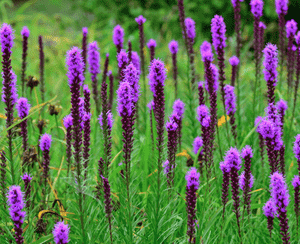
Propagating dense blazing star is generally achieved via tubers, with springtime offering the most favorable period. This propagation method is quite straightforward, and the emergence of new shoots signifies success. If needed, carefully extract and divide established tubers.
Optimal Time for Dense Blazing Star Propagation
Propagation Method
Utilize The Tubers
Propagation Period
Spring
Tools Required for Dense Blazing Star Propagation
Garden Fork
A robust garden fork is crucial for carefully extracting dense blazing star's tubers from the earth without causing harm. Its prongs assist in loosening the soil and facilitating the gentle removal of tubers, which is vital for preserving their integrity for replanting.
Sharp Knife
A keen, clean knife is employed to divide dense blazing star's tubers, if necessary, ensuring each segment possesses at least one growth point. Precise cutting instruments help minimize damage and enhance the probability of successful propagation.
Gloves
Durable gardening gloves safeguard the hands when handling dense blazing star, while also providing a secure grip on tools and tubers, diminishing the risk of accidental slips that could injure the tuber or the gardener.
Trowel
A trowel proves useful for excavating small holes to plant individual dense blazing star tubers. Its form and dimensions permit exact control over the depth and width of the planting holes, which is significant for positioning the tubers at the correct depth.
Watering Can
A watering can equipped with a gentle sprinkle attachment is essential for supplying dense blazing star with soft and uniform watering during and after planting, ensuring even moisture distribution without dislodging or eroding the soil around the new plantings.
Potting Mix
A premium potting mix furnishes dense blazing star tubers with an ideal growing medium. It should drain well yet retain moisture to support the initial growth phase post-propagation, fostering healthy root development.
Labels and Pen
Resilient plant labels and a weather-resistant pen are utilized to mark and identify the planted areas of dense blazing star. Proper labeling aids in tracking the progress and type of the tubers, especially when implementing rotation or monitoring growth patterns.
How to Propagate Dense Blazing Star
Propagation Method
Utilize The Tubers
Difficulty Level
Easy
Caring for Your Newly Propagated Dense Blazing Star
Caring for Your Newly Propagated Dense Blazing Star
Maintain consistent moisture for the dense blazing star but prevent waterlogging. Once established, dense blazing star tolerates drought relatively well. Remove spent flowers to encourage more blooms, and in late autumn, cut back the foliage after it dies. Divide dense blazing star every few years to sustain vigor and propagate new plants.
Common Errors to Avoid When Propagating Dense Blazing Star
Overwatering
Excessive watering can lead to root rot in dense blazing star, as the plant prefers well-drained soils. Saturated conditions can cause the tuberous roots to decay, impeding plant growth and propagation.
Planting depth
Planting dense blazing star corms too deeply can hinder shoot emergence. Corms should be placed just a few inches below the surface, as deeper planting may decrease germination rates.
Ignoring soil quality
Using substandard or unamended soil for dense blazing star may result in weak plant development. Soil that is too compact can impede root expansion and water drainage, which is crucial for this plant's vitality.
Overcrowding
Planting dense blazing star corms too closely together can impede their development due to competition for nutrients and light, leading to smaller growth and reduced blooming.
Advice for Propagating Dense Blazing Star
Corm division
Dividing dense blazing star corms every few years promotes healthier growth and propagation. Separating the clusters ensures each plant has ample space and resources to flourish.
Soil preparation
Enrich the soil with organic matter before planting dense blazing star to ensure proper drainage and nutrient content. Soil that supports good root development will foster robust plant growth.
Mulching
Applying mulch around the base of dense blazing star can help maintain consistent soil moisture and temperature, while also suppressing weed growth that could compete with young plants.
Proper spacing
Ensure adequate spacing between dense blazing star corms to allow for sufficient air circulation and prevent the development of fungal diseases, which can be detrimental to plant health and propagation success.



