How to Propagate European honeysuckle?
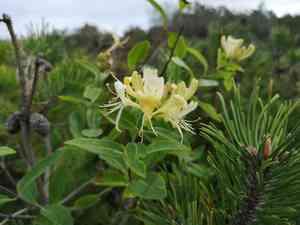
Lonicera periclymenum can be multiplied in the spring and summer seasons through the use of tender stem sections or by employing the layering technique. The ease of propagation is minimal, and successful establishment is indicated by the emergence of vigorous new shoots. For optimal results, it is advisable to utilize a rooting stimulant and ensure the growing medium remains consistently damp.
Optimal Time for European Honeysuckle Propagation
Propagation Method
Cutting
Propagation Period
Spring,Summer
Tools Required for European Honeysuckle Propagation
Pruning Shears
Sharp pruning shears are vital for taking cuttings from european honeysuckle, as they create a clean incision without crushing the stem, which is crucial for the plant's recovery and preventing disease entry.
Rooting Hormone
A rooting hormone is applied to the cut end of european honeysuckle cuttings to stimulate faster root development and boost the propagation success rate, particularly beneficial for hardwood cuttings.
Sterile Potting Mix
A well-draining, sterile potting mix offers an ideal medium for european honeysuckle cuttings, minimizing disease risk and ensuring the necessary balance of air and moisture for root formation.
Propagation Tray
A propagation tray or pot with sufficient drainage holes allows for organized planting and efficient water management when rooting european honeysuckle cuttings, which is a delicate stage requiring a consistent environment.
Plastic Dome or Cover
Covering european honeysuckle cuttings with a clear plastic dome creates a humidity chamber that maintains high moisture levels around the cuttings, essential for preventing desiccation before roots develop.
Heating Mat
A heating mat can be placed under the propagation tray to provide a consistent and gentle heat source, encouraging root growth in european honeysuckle cuttings, especially useful during cooler months or in colder climates.
Caring for Your Newly Propagated European Honeysuckle
Caring for Your Newly Propagated European Honeysuckle
Following propagation, gradually acclimate the new european honeysuckle plants to outdoor conditions if they were rooted indoors. Plant them in the ground or in larger containers, in a location with partial to full sunlight and well-drained soil. Water them regularly, especially during dry periods, and fertilize them with a balanced feed during the growing season. Prune european honeysuckle annually to maintain shape and encourage vigorous growth. Monitor for pests and diseases and treat as needed to keep the plants healthy.
Common Errors to Avoid When Propagating European Honeysuckle
Poor cutting selection
Choosing low-quality or unsuitable parts of european honeysuckle for cuttings can lead to failure. Healthy shoots are essential for successful rooting.
Excessive watering of cuttings
Saturating the soil can cause cutting rot in european honeysuckle, as it requires well-draining conditions to establish roots.
Neglecting humidity for cuttings
Ignoring the need for a humid environment when rooting cuttings of european honeysuckle can result in dehydration and failure to root.
Planting cuttings too deep
Inserting cuttings of european honeysuckle too deeply into the soil can impede aeration and cause rot.
Ignoring pest control
Failing to monitor and manage pests can severely impact the health and growth of european honeysuckle's cuttings or seeds.
Advice for Propagating European Honeysuckle
Select healthy shoots
Use robust, disease-free shoots from european honeysuckle for cuttings to ensure a better chance of successful rooting.
Provide adequate drainage
Ensure the medium for european honeysuckle cuttings allows for good drainage to prevent rot and promote root development.
Maintain proper humidity
Cover european honeysuckle cuttings with a plastic bag or use a propagator to maintain high humidity necessary for rooting.
Correct planting depth
Plant cuttings of european honeysuckle at an appropriate depth to ensure contact with the soil without compromising aeration.
Monitor for pests
Regularly check european honeysuckle for signs of pests, especially during the vulnerable propagation stage, and treat accordingly.



