How to Propagate Trumpet honeysuckle?
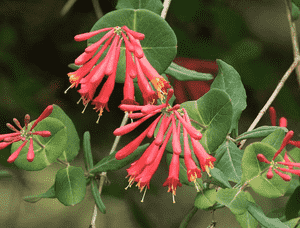
Lonicera sempervirens can be reproduced via tender stem sections or ground layering, with the most suitable period being either spring or summer. The challenge level for propagation is average. Indicators of successful propagation encompass the emergence of new roots and robust foliage development. Recommendation: Ensure cuttings remain hydrated and utilize a rooting stimulant for optimal outcomes.
Optimal Time for Trumpet Honeysuckle Propagation
Propagation Method
Cutting
Propagation Period
Spring,Summer
Tools Required for Trumpet Honeysuckle Propagation
Sharp pruning shears or scissors
Used for taking cuttings from the parent trumpet honeysuckle plant. Clean, sharp blades ensure a precise cut that minimizes damage to the parent plant and provides a clean start for the cutting, encouraging healthy root development.
Rooting hormone powder or gel
Applied to the cut end of trumpet honeysuckle cuttings to stimulate root growth. This increases the chance of successful rooting by promoting the development of new roots, essential for the viability of propagated plants.
Sterilizing agent (e.g., rubbing alcohol)
Used to clean the pruning shears or scissors before and after taking cuttings to prevent the spread of disease among trumpet honeysuckle plants. Maintaining tool cleanliness is critical for the health of both the parent and the new plants.
Propagation trays or small pots
Provide a controlled environment for the new trumpet honeysuckle cuttings to root. The size and depth accommodate the delicate new roots, while the container itself maintains proper moisture levels and supports the cutting in an upright position.
Potting mix or peat perlite blend
Acts as a growth medium for trumpet honeysuckle cuttings. The mixture should be well-draining yet able to retain enough moisture to nourish the new roots. A light texture allows for better root penetration and growth.
Clear plastic bags or domes
Create a mini-greenhouse effect around the trumpet honeysuckle cuttings, maintaining high humidity levels. This helps prevent the cuttings from drying out, a crucial factor in their survival and rooting success.
Watering can or spray bottle
Ensures gentle watering of trumpet honeysuckle cuttings without disturbing the delicate new growth. A fine mist maintains moisture without overly saturating the soil, which can lead to rot or fungal disease.
Heat mat (optional)
Provides consistent bottom heat, which can enhance root growth in trumpet honeysuckle cuttings. This is especially useful in cooler environments or during colder months, as trumpet honeysuckle cuttings may root more quickly with additional warmth.
Caring for Your Newly Propagated Trumpet Honeysuckle
Caring for Your Newly Propagated Trumpet Honeysuckle
Once the cuttings of trumpet honeysuckle have rooted and established, gradually acclimate them to the outside environment if they were started indoors. Ensure they are planted in a location with well-draining soil and full sun to partial shade. Maintain consistent moisture for the young plants, and apply a balanced fertilizer monthly during the growing season. Protect from harsh winter cold with mulching if necessary.
Common Errors to Avoid When Propagating Trumpet Honeysuckle
Ignoring rooting hormone
Neglecting the use of rooting hormone can lead to poor or no root development. For trumpet honeysuckle, this can significantly decrease the chances of successful propagation, as the hormone stimulates root growth.
Overwatering
Providing too much water can lead to rot, especially in the developing roots of trumpet honeysuckle. Overwatering creates an environment prone to fungal growth, which can damage or kill the cuttings.
Deep planting cuttings
Planting trumpet honeysuckle cuttings too deep can prevent sufficient air exchange, which is necessary for root development. It can also increase the risk of stem rot.
Ignoring hygiene
Using unclean tools or containers can introduce pathogens to trumpet honeysuckle cuttings, hindering their growth or causing disease. This mistake can easily destroy a batch of propagated plants.
Exposing to direct sunlight
New trumpet honeysuckle cuttings are sensitive to harsh conditions. Direct sunlight can cause the delicate new growth to dry out and die.
Forgetting to harden off
Transferring rooted cuttings of trumpet honeysuckle directly outdoors without acclimatization can shock the plants, potentially leading to death or stunted growth.
Tips For Propagating Trumpet Honeysuckle
Use fresh cuttings
Fresh cuttings have the highest viability. For trumpet honeysuckle, use cuttings that are immediately snipped from healthy growth to ensure a robust start.
Adequate moisture
Balanced moisture is key. Soil for trumpet honeysuckle cuttings should be kept damp but not waterlogged to promote healthy root development without risking rot.
Indirect light
Place trumpet honeysuckle cuttings in bright, indirect light to support photosynthesis without overwhelming the developing plants.
Soilless medium
Propagating trumpet honeysuckle in a soilless medium like perlite or vermiculite can prevent disease and promote better drainage and root growth.
Bottom heat
Applying gentle bottom heat can encourage faster root growth for trumpet honeysuckle cuttings, as it stimulates the metabolism in the plant cells.
Gradual transition
Once rooted, gradually acclimatize trumpet honeysuckle to outdoor conditions to reduce transplant shock and increase chances of successful establishment.



