How to Propagate Marsh seedbox?
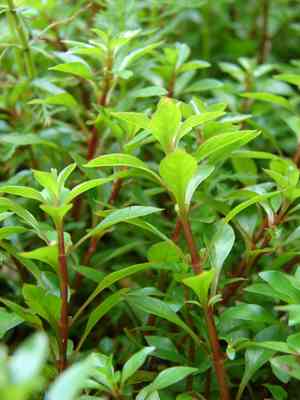
Marsh seedbox is most effectively propagated in Spring by seeding. The process of multiplying this water-loving plant is relatively straightforward, with robust root formation indicating successful growth. Make sure the seeds are planted in moist earth.
Optimal Period for Marsh Seedbox Propagation
Propagation Method
Sowing
Propagation Period
Spring
Equipment for Marsh Seedbox Propagation
Seed trays
Seed trays are essential for the sowing technique, offering a structured space for seed germination. Their shallow design provides ideal soil depth for marsh seedbox seeds, which need light to sprout, and helps maintain consistent soil moisture.
Peat pellets or peat pots
Peat pellets or pots are advantageous for marsh seedbox as they minimize root disturbance during transplanting. Peat retains adequate moisture, and once seedlings are ready, they can be directly planted into the soil, reducing transplant shock.
Fine vermiculite or perlite
These soil amendments improve aeration and drainage within the seed starting mix. For marsh seedbox, soil that doesn't remain excessively wet will prevent seed rot and encourage robust root growth.
Misting bottle
A misting bottle offers a gentle way to keep the soil damp without disturbing the small marsh seedbox seeds or washing them away. Consistent moisture levels are crucial for successful germination.
Grow lights
If sufficient natural light is unavailable, grow lights can provide the necessary light spectrum for marsh seedbox seeds to germinate and for seedlings to develop strongly before transplanting.
Heating mat
A heating mat placed beneath seed trays can boost germination rates for marsh seedbox by maintaining a steady soil temperature, which is particularly useful in cooler climates or seasons.
Labeling materials
Labels enable clear marking of seed trays to track the progress of marsh seedbox seedlings. Proper identification assists in applying the correct care throughout the germination and early growth phases.
How to Propagate Marsh Seedbox
Propagation Method
Sowing
Difficulty Level
Easy
Caring for Your Newly Propagated Marsh Seedbox
Caring for Your Newly Propagated Marsh Seedbox
Post-propagation, maintain consistently wet soil, as marsh seedbox is a marsh plant that thrives in moist conditions. Position them in full to partial sunlight for optimal development. Marsh seedbox may require occasional trimming to preserve its shape and promote denser growth. During the active growing season, a balanced, water-soluble fertilizer can be applied monthly to support healthy development. As marsh seedbox is semi-aquatic, ensure pots have ample water, and if planted in the ground, prevent the soil from drying out.
Common Errors to Avoid When Propagating Marsh Seedbox
Disregarding water needs
Gardeners might overlook the moisture preferences of marsh seedbox, leading to improper watering. Dry conditions can stress marsh seedbox, hindering root development and growth, while overly saturated soils could lead to root rot.
Neglecting light conditions
Marsh seedbox requires specific light conditions to flourish. Providing too much shade can result in leggy growth and weak stems, while excessive direct sunlight can scorch leaves and impede propagation efforts.
Using poor quality cuttings
Attempting propagation with diseased or weak cuttings from marsh seedbox can lead to propagation failure. Unhealthy cuttings often do not root well and may carry pathogens that can infect new growth or soil.
Overfertilizing
Applying too much fertilizer when propagating marsh seedbox can harm delicate roots and shoots. Overfertilization can cause nutrient burn, which impairs growth and may even kill the young plants.
Tips For Propagating Marsh Seedbox
Semi-hardwood cuttings
Utilizing semi-hardwood cuttings from marsh seedbox during propagation ensures a higher success rate, as they possess a balance of mature tissue for resilience and young tissue for root initiation.
Moisture control
Maintain consistently moist but not waterlogged conditions for marsh seedbox cuttings. This encourages healthy root development without the risk of fungal diseases commonly caused by excessive moisture.
Indirect light
Provide marsh seedbox cuttings with bright, indirect light to support growth without the threat of leaf burn. This light level mimics marsh seedbox's natural environment and promotes healthy photosynthesis and growth.
Use of rooting hormones
Applying a rooting hormone to the cut end of marsh seedbox's cuttings can encourage quicker and more reliable root development, providing the cuttings with a better start for successful propagation.



