How to Propagate Wild Perennial Lupine?
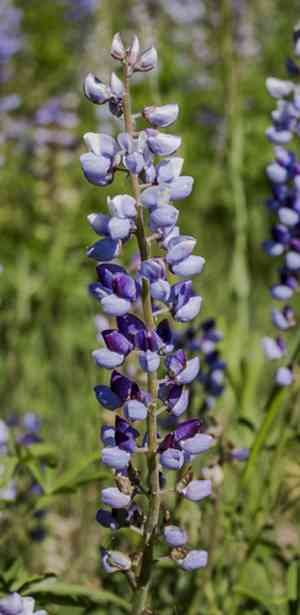
Wild Perennial Lupine, a legume family member, is reproduced by planting seeds. To achieve the best outcome, abrade the seeds to improve water uptake and trigger sprouting. Plant the prepared seeds directly into soil that drains effectively, burying them to a depth roughly double their diameter. Maintaining consistent dampness without oversaturation is crucial for successful development. Handle young sprouts with care to prevent damage to their fragile root structures. Given appropriate attention, wild Perennial Lupine will flourish and add vivid flowers to your landscape.
Optimal Time for Wild Perennial Lupine Propagation
Propagation Method
Seeding
Propagation Period
Spring
Tools for Wild Perennial Lupine Propagation
Seeds
Starting with seeds is a common approach for propagating wild Perennial Lupine. Seeds need proper handling and planting methods for successful sprouting. Seed trays or flats are perfect for sowing, offering ample room for initial growth and simplifying the management of multiple seeds. Their shallow depth ensures small seeds like those of wild Perennial Lupine aren't buried too deep, which could hinder germination.
Seed starting mix
A sterile, well-draining seed starting mix is vital for wild Perennial Lupine, preventing diseases and providing essential support and nutrients for young seedlings. This blend typically includes peat moss, vermiculite, and perlite, promoting good air circulation and moisture retention, crucial for the delicate roots of wild Perennial Lupine.
Misting bottle
A misting bottle is essential for gently watering wild Perennial Lupine seeds without disturbing their position or causing soil erosion. Consistent moisture is key for germination, and the fine spray from a misting bottle evenly distributes water, encouraging uniform development.
Grow lights
If propagating wild Perennial Lupine indoors or in areas with insufficient natural light, grow lights can supply the necessary light spectrum for photosynthesis. These lights help maintain ideal growth conditions, preventing seedlings from becoming leggy and weak.
Heat mat
A heat mat can be used to maintain a consistent soil temperature, which is crucial for wild Perennial Lupine germination. It provides gentle warmth, promoting faster germination rates and more successful seedling development overall.
How to Propagate Wild Perennial Lupine?
Propagation Type
Simple
Caring for Your Newly Propagated Wild Perennial Lupine
Caring for Your Newly Propagated Wild Perennial Lupine?
Once wild Perennial Lupine has sprouted, thin seedlings to about 6 inches apart to prevent overcrowding. Gradually introduce young plants to outdoor conditions before transplanting them into the garden. Wild Perennial Lupine prefers full to partial sun and well-draining soil. After transplanting, water regularly during the first growing season to establish a strong root system. Minimal additional care is usually needed, as wild Perennial Lupine is relatively low-maintenance and adapts to its environment once established.
Common Propagation Errors for Wild Perennial Lupine
Overwatering
Excessive moisture can lead to root rot and fungal diseases, which are harmful to wild Perennial Lupine seedlings and cuttings.
Deep sowing
Burying seeds too deeply can hinder germination, as wild Perennial Lupine seeds require some light to sprout effectively.
Ignoring pre-treatment
Skipping the stratification process for wild Perennial Lupine seeds results in poor germination because the seeds have a hard coat that needs scarification to mimic natural conditions.
Neglecting soil quality
Using poorly draining soil or the wrong soil pH can inhibit root growth and development of wild Perennial Lupine, which prefer well-drained soil with a slightly acidic to neutral pH.
Overcrowding
Planting wild Perennial Lupine seeds or seedlings too close together can lead to competition for resources and increase the risk of disease spread.
Tips For Propagating Wild Perennial Lupine
Scarification
Gently scratching or sanding the outer layer of wild Perennial Lupine seeds improves water absorption and promotes successful germination.
Light sowing
Pressing wild Perennial Lupine seeds lightly onto the soil surface ensures they receive the necessary light for germination.
Moisture control
Maintaining a balanced moisture level â not too wet and not too dry â optimizes germination and root establishment for wild Perennial Lupine.
Soil preparation
Amending the soil with organic matter and ensuring proper drainage will create a suitable environment for wild Perennial Lupine's roots to flourish.
Adequate spacing
Providing sufficient space between seeds or cuttings prevents overcrowding, thereby reducing the likelihood of disease and ensuring adequate nutrient availability for wild Perennial Lupine.



