How to Propagate Star magnolia?
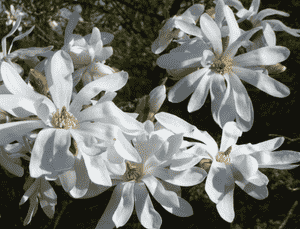
Star magnolia reproduction is most effectively accomplished via cutting and layering techniques in the fall or winter. This plant is quite simple to propagate, and indicators of successful propagation include robust root formation and the appearance of new shoots. Sufficient humidity and warmth are crucial for this procedure.
Optimal Time for Star Magnolia Propagation
Propagation Method
Cutting
Propagation Period
Autumn,Winter
Tools Required for Star Magnolia Propagation
Sharp pruning shears
Crucial for taking cuttings from star magnolia, sharp pruning shears guarantee a clean, precise cut, minimizing harm to both the parent plant and the cutting. A clean cut is vital for proper healing and new root formation.
Disinfectant for tools
Used to sanitize pruning shears and other implements before and after taking star magnolia cuttings, a disinfectant prevents disease transmission that could jeopardize cutting health and viability.
Rooting hormone
Applied to the severed end of star magnolia cuttings, rooting hormone stimulates root development, boosting propagation success by accelerating new root formation.
Soilless potting mix
A light, well-draining soilless potting mix offers an ideal environment for rooting star magnolia cuttings. It reduces the risk of root rot and overwatering issues while retaining sufficient moisture for new root growth.
Propagation tray or pots
Trays or small containers serve as vessels for planting star magnolia cuttings. They should feature adequate drainage and be appropriately sized to prevent overcrowding.
Clear plastic bags or domes
Covering star magnolia cuttings with clear plastic bags or domes maintains high humidity around them. Humidity is essential to prevent cuttings from drying out before root establishment.
Heating mat (optional)
For optimal root development, star magnolia cuttings benefit from consistent bottom heat provided by a heating mat. This tool is particularly useful in cooler climates or during colder months.
Caring for Your Newly Propagated Star Magnolia
Caring for Your Newly Propagated Star Magnolia
Once roots are established, gradually introduce the young star magnolia to less humid conditions by removing the plastic cover over several days. Transplant the cutting to a larger pot or a suitable outdoor spot. Water the star magnolia deeply but less often, encouraging robust root growth. Select a well-drained location with full sun to partial shade, and mulch to keep roots cool and moist. Monitor for pests and diseases, and prune periodically to maintain desired shape and promote bushier growth.
Common Errors to Avoid in Star Magnolia Propagation
Overwatering cuttings
Excessively wet soil can lead to root rot and fungal diseases, which are detrimental to young star magnolia cuttings. It hinders root formation and can cause cuttings to perish.
Poor cutting selection
Using weak or diseased branches for cuttings can result in poor root development and low survival rates for star magnolia. Cuttings should be healthy and vigorous for enhanced propagation success.
Neglecting humidity levels
Failure to maintain high humidity around star magnolia cuttings can cause them to dry out before root establishment. This can lead to a reduced propagation success rate.
Using unsterilized tools
Propagating star magnolia with unsanitized tools can introduce pathogens to the cuttings, increasing disease risk and potentially killing them.
Planting cuttings too deep
Inserting star magnolia cuttings too deeply into the propagation medium can suffocate developing roots and decrease the likelihood of successful rooting.
Advice for Propagating Star Magnolia
Utilize semi-hardwood cuttings
Semi-hardwood cuttings from star magnolia tend to root more effectively than softwood or hardwood cuttings. The correct cutting type can significantly improve propagation success rates.
Provide bottom heat
Maintaining bottom heat can stimulate root growth in star magnolia cuttings. Warmer soil temperatures can encourage faster and more robust root development.
Monitor moisture levels
Ensuring the soil remains consistently moistâbut not waterloggedâwill help star magnolia cuttings establish roots without succumbing to rot or fungal infections.
Maintain proper air circulation
Good air circulation helps prevent mold and fungi growth on star magnolia cuttings, which can harm delicate new growth and impede rooting.
Use rooting hormone
Applying a rooting hormone to the cut end of star magnolia cuttings can stimulate root growth and increase the chances of successful plant propagation.



