How to Propagate Chinaberry tree?
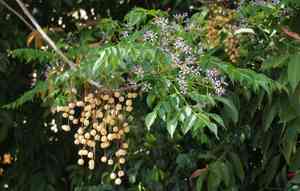
The Chinaberry tree can be multiplied during the fall and winter seasons through the use of dormant wood cuttings, air layering, and seed planting techniques. The level of challenge for propagation differs based on the chosen approach. The emergence of robust new shoots signifies successful propagation. Key recommendations for effective propagation involve employing a growing medium that drains efficiently and maintaining the plant in a warm, moist setting.
Optimal Time for Chinaberry Tree Propagation
Propagation Method
Cutting
Propagation Period
Autumn,Winter
Tools for Chinaberry Tree Propagation
Pruning Shears
Sharp pruning shears are vital for taking cuttings from chinaberry tree. They ensure clean cuts, promoting quicker healing and reducing disease risk. Precise cuts maintain parent plant health and provide a strong start for new cuttings.
Rooting Hormone
Applying rooting hormone to the cut end of a chinaberry tree cutting stimulates root growth and boosts propagation success. Rooting hormones contain synthetic auxins that mimic natural plant hormones, encouraging faster, more uniform root development.
Potting Mix
A high-quality, sterile potting mix offers an ideal growing medium for chinaberry tree cuttings. It should drain well yet retain moisture to support root formation while preventing rot. Soilless mixes are often preferred to minimize disease risk.
Propagation Tray
A propagation tray provides a controlled environment for chinaberry tree cuttings to root. It should have drainage holes and potentially a humidity dome to maintain high humidity and stable temperatures, optimal for root initiation.
Sterilizing Agent
A sterilizing agent, such as isopropyl alcohol or a 10% bleach solution, is essential for sanitizing tools before and after taking cuttings from chinaberry tree. Sterilization prevents pathogen spread, protecting both the mother plant and its cuttings.
Misting Bottle
A misting bottle is used to keep the foliage of chinaberry tree cuttings hydrated during the rooting phase. Consistent misting helps maintain an ideal microclimate around the leaves, reducing water loss through transpiration and aiding in the cuttings' survival.
Plant Labels
Plant labels assist in identifying and organizing chinaberry tree cuttings. They are especially important for tracking cutting dates and specific treatments, useful for monitoring progress and subsequent care stages.
Caring for Your Newly Propagated Chinaberry Tree
Caring for Your Newly Propagated Chinaberry Tree
After propagation, gradually introduce the new chinaberry tree to its environment. Continue regular watering, allowing the top inch of soil to dry between waterings. Provide bright, indirect light and protect from harsh conditions. Fertilize with a balanced, slow-release product during the growing season and prune as needed for shape and bushier growth. Monitor for pests and diseases and treat accordingly.
Common Propagation Mistakes for Chinaberry Tree
Overwatering cuttings
Excessive moisture can lead to root rot and fungal infections in chinaberry tree's cuttings, impeding root development and potentially killing them.
Planting seeds too deep
Chinaberry tree seeds require light for effective germination. Planting them too deep can hinder sprouting and reduce the success rate of seed propagation.
Ignoring pre-treatment of seeds
Chinaberry tree seeds have hard coatings; failing to scarify or soak them can significantly impair germination rates.
Tips for Propagating Chinaberry Tree
Use semi-hardwood cuttings
Semi-hardwood cuttings from chinaberry tree taken during active growth periods have higher rooting potential. This wood is mature yet flexible, ideal for propagation.
Provide bottom heat
Applying gentle bottom heat can encourage root development in chinaberry tree's cuttings without causing excessive moisture loss or overhead drying.
Scarify or soak seeds before planting
Scarring or soaking chinaberry tree's seeds helps break down the hard outer coating, improving water absorption and germination rates.



