How to Propagate Spearmint?
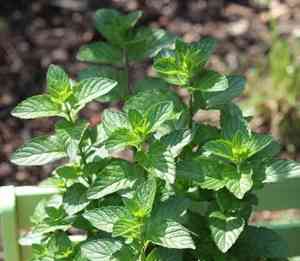
Spearmint primarily reproduces by planting seeds in the springtime. Its reproduction is typically straightforward, with robust root and stem growth indicating success. Supplying adequate hydration and warmth is advised for improved development.
What Is the Best Time To Propagate Spearmint?
Propagation Type
Sowing
Propagation Season
Spring
What Tools Are Used in Spearmint Propagation?
Potting Trays
Perfect for starting seeds, these trays offer a controlled setting. They hold multiple seeds in a small area and can be fitted with humidity domes to help maintain steady moisture, which is vital for spearmint seed germination.
Seed Starter Mix
A light, well-draining substrate that encourages spearmint root development. It provides the necessary balance of air, water, and nutrients, essential for seeds to grow into healthy seedlings.
Water Spray Bottle
Provides a gentle method for watering delicate spearmint sprouts, reducing the chance of disturbing the soil or harming young shoots with strong water flow. The fine mist evenly distributes moisture, crucial for seed germination.
Heat Mat
By keeping the soil temperature constant, heat mats improve the germination rate and speed for spearmint seeds. Consistent warmth is especially beneficial as it mimics the natural warmth of sun-warmed soil, promoting growth.
Grow Lights
Offering a steady light source, grow lights can supplement natural sunlight, which is essential for spearmint seedlings to photosynthesize and develop strong stems and leaves once they've emerged.
Labels and Markers
These enable systematic organization of spearmint seed trays. Accurate labels ensure proper identification and tracking of growth stages, which is crucial for monitoring progress and providing appropriate care during the propagation process.
How to Propagate Spearmint?
Propagation Type
Sowing
Difficulty Level
Easy
How to Care for Your Newly Propagated Spearmint?
How to Care for Your Newly Propagated Spearmint?
Post-propagation, maintain consistent soil moisture, avoiding saturation. Spearmint should be positioned in an area receiving full to partial sunlight. Prune regularly to encourage bushy growth and harvest leaves by cutting stems just above a leaf set to promote further branching. During the growing season, apply a balanced, water-soluble fertilizer monthly. In winter, reduce watering and shield outdoor plants from extreme cold. Monitor for pests like aphids and spider mites, managing them with suitable organic or chemical treatments. Over time, spearmint may become woody; at this point, start new cuttings to ensure vigorous growth.
Common Mistakes to Avoid When Propagating Spearmint
Overwatering
Excessive moisture can lead to root rot in spearmint, impeding root development and increasing vulnerability to disease.
Deep planting cuttings
Inserting spearmint cuttings too far into the soil can restrict oxygen flow, slowing or preventing rooting.
Ignoring humidity
Neglecting the importance of a moist environment for spearmint cuttings can cause them to dry out before they can establish roots.
Cutting maturity
Using spearmint cuttings that are either too young or too woody can result in poor root development and lower propagation success rates.
Contaminated tools
Using unsterilized tools can introduce pathogens to spearmint cuttings, potentially leading to disease and stunted growth.
Tips For Propagating Spearmint
Moisture balance
Maintain consistent but moderate soil moisture for spearmint cuttings to encourage root growth without causing rot.
Cutting length
Choose spearmint cuttings that are about 3-6 inches long with several leaf nodes as these tend to root best.
Humidity control
Use a plastic cover or a humidity dome to create a humid microclimate around spearmint cuttings, speeding up root development.
Leaf trimming
Remove the lower leaves of spearmint cuttings to reduce moisture loss and focus energy on root production.
Sterile medium
Ensure the planting medium for spearmint cuttings is sterile to minimize the risk of fungal or bacterial infections.



