How to Propagate Bitter melon?
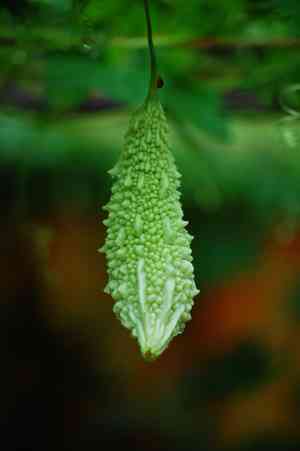
Bitter melon is most effectively multiplied by planting seeds in the springtime. This procedure is relatively straightforward, with sprouting indicating successful reproduction. Guarantee a growing medium that drains well and supply ample illumination for peak outcomes.
Optimal Time for Bitter Melon Propagation
Propagation Method
Seeding
Propagation Period
Spring
Essential Tools for Bitter Melon Propagation
Seedling trays
Seedling trays are crucial for planting bitter melon seeds. They facilitate organized seedling development and simplify transplanting. Trays must have adequate drainage to prevent waterlogging, vital for bitter melon's delicate roots during early stages.
Potting mix
A premium, well-draining potting mix is necessary for sowing bitter melon seeds. The mix should be rich in nutrients and retain moisture effectively without becoming saturated. This promotes robust root growth and prevents diseases like root rot, which bitter melon can suffer from in overly wet conditions.
Watering can with a fine rose
Gentle irrigation is essential for bitter melon seeds and young plants. A watering can equipped with a fine rose attachment will distribute water evenly and softly, mimicking light rain and preventing seed displacement or harm to tender sprouts. Proper watering aids bitter melon germination success.
Plant labels and marker
Labeling is important when cultivating multiple bitter melon plants to monitor their progress and type, especially if different varieties are being grown. Durable plant labels and markers that withstand weather conditions will assist in accurate identification and management.
Propagating heat mat
Consistent warmth can significantly boost the germination rate of bitter melon seeds, particularly in cooler climates. A propagating heat mat offers a stable heat source that can be adjusted to the ideal temperature range required for bitter melon seed germination, enhancing propagation success.
Dibber or seed dibbler
A dibber or seed dibbler is used to create uniform holes in the potting mix for planting bitter melon seeds. Correct depth and spacing are important for optimal growth, and these tools help achieve consistent planting, ensuring good aeration and space for root development.
How to Propagate Bitter Melon?
Propagation Type
Sowing
Difficulty Level
Easy
Caring for Your Newly Propagated Bitter Melon
Caring for Your Newly Propagated Bitter Melon
Post-propagation, maintain consistent moisture for bitter melon, especially during its flowering and fruiting phases. Provide climbing structures as bitter melon is a vine. Apply mulch to retain soil moisture and regulate temperature. Implement pest control strategies to deter common pests such as aphids and spider mites. Fertilize with a balanced feed every 4-6 weeks during the active growth period. Watch for disease signs like powdery mildew and act quickly. Harvest bitter melon fruits when young and tender for culinary use, typically 2 to 3 weeks after blooming.
Common Errors to Avoid When Propagating Bitter Melon
Overwatering
Excessive watering can cause root rot in bitter melon, as it prefers well-drained soil. Too much moisture can impede root development and reduce vital air pockets in the soil necessary for root respiration.
Using unripe seeds
Attempting to propagate bitter melon with immature seeds can lead to poor germination rates. Mature seeds are crucial for successful bitter melon germination and growth.
Ignoring pests
Bitter melon is susceptible to pest infestations, particularly from aphids and spider mites. Overlooking early signs of pests can result in extensive damage, weakening the plant and potentially causing propagation efforts to fail.
Inadequate soil preparation
Planting bitter melon seeds or seedlings in soil lacking proper nutrients or having poor texture can hinder their growth. Bitter melon requires fertile soil with good drainage to thrive.
Neglecting acclimatization
When propagating bitter melon from seedlings, failing to properly acclimate young plants to outdoor conditions can cause shock, stunting growth or even leading to death.
Tips For Propagating Bitter Melon
Proper seed maturity
Ensure that seeds used for propagation are sourced from mature bitter melon fruits. The seeds should be dark, firm, and fully developed for optimal germination results.
Soil quality
Prepare a well-draining potting mix enriched with organic matter to supply the necessary nutrients for bitter melon's development.
Control pests
Regularly inspect and manage pests by introducing beneficial insects, using pest-repellent plants, or organic insecticidal sprays to ensure the healthy growth of bitter melon.
Moisture balance
Water bitter melon plants just enough to keep the soil damp but not waterlogged. Good drainage is crucial to prevent root rot.
Gradual acclimatization
Acclimate bitter melon seedlings to outdoor conditions gradually before transplanting. Begin by placing them outside for a few hours daily, then progressively increase their outdoor exposure over one to two weeks.



