How to Propagate Mulberry?
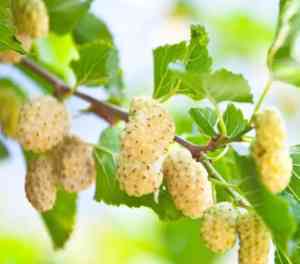
For mulberry, the most suitable periods for propagation are the Spring and Winter months, employing Grafting and Layering methods. While presenting a moderate challenge, the emergence of new shoots signifies successful propagation. It is crucial to maintain appropriate hydration levels throughout this procedure.
Optimal Period for Mulberry Propagation
Propagation Method
Grafting
Propagation Period
Spring,Winter
Tools for Mulberry Propagation
Grafting Knife
A sharp grafting knife is vital for making precise cuts when grafting mulberry. The clean, smooth cuts made by a grafting knife help ensure a better union between the scion and rootstock, which is crucial for the successful establishment of the graft.
Pruning Shears
Pruning shears are used to prepare the rootstock and scion by cutting away excess material before grafting. For mulberry, the ability to make clean cuts prevents damage to the plant tissues and promotes quicker healing post-graft.
Grafting Tape
Grafting tape is used to secure the scion to the rootstock of mulberry, maintaining the alignment and contact essential for the union to take. The tape is typically stretchable and self-adhesive, providing an airtight seal that promotes callusing and prevents dehydration.
Rooting Hormone
While not always necessary, a rooting hormone can be applied to the cut ends of mulberry to stimulate root growth and increase the chances of a successful graft. This is particularly beneficial when propagating harder-to-root cultivars of mulberry.
Wound Sealant
After grafting, a wound sealant can be applied to cuts on mulberry to protect the exposed areas from pathogens and moisture loss. This could increase the success rate of the grafting by aiding in the healing process.
Disinfectants (e.g., Isopropyl Alcohol)
Sterilization of tools is critical to avoid transmitting diseases from one part of mulberry to another, or from different plants. Disinfectants like isopropyl alcohol ensure that the grafting tools are clean and safe to use.
Budding Strips
For bud grafting methods on mulberry, budding strips can be employed for tying the bud in place. These strips are gently stretchable to accommodate growth while keeping the bud snug against the rootstock until the graft takes.
Grafting Wax
Grafting wax can be used to cover grafting wounds on mulberry, which helps to retain moisture and provides a barrier against pests and diseases while the graft heals.
Caring for Your Newly Propagated Mulberry
Caring for Your Newly Propagated Mulberry
Maintain consistent moisture levels for the newly grafted mulberry, ensuring the soil is not waterlogged. Protect the graft from extreme weather conditions and remove the tape once the graft has taken, usually apparent by new growth on the scion. Provide support to the young graft as necessary, and prune any shoots that emerge below the graft site to redirect energy to the new growth.
Common Mistakes to Avoid When Propagating Mulberry
Inadequate cutting selection
Choosing weak or diseased cuttings from mulberry can result in poor root development and propagation failure. Vigorous, healthy cuttings are crucial for successful propagation.
Poor cutting placement
Planting cuttings too deep or too shallow in the soil can lead to root rot or desiccation. Proper depth is essential for optimum root growth in mulberry.
Overwatering
Excessive moisture around mulberry cuttings may lead to fungal infections and rot. Consistent but moderate watering promotes healthy root development.
Ignoring pest control
Failing to manage pests during propagation can cause damage to young mulberry plants, hindering their growth and establishment.
Mismanaged environment
Placing mulberry cuttings in an environment with inappropriate light, temperature, or humidity levels can negatively affect rooting and survival.
Tips For Propagating Mulberry
Healthy cutting selection
Use robust and disease-free cuttings from mulberry to enhance the success rate of rooting and growth.
Soil preparation
Prepare a well-draining soil mixture that retains enough moisture without becoming waterlogged, providing a conducive environment for mulberry's rooting.
Proper cutting placement
Insert cuttings at an appropriate depth, ensuring the lower nodes are covered by soil while leaving the upper part exposed for mulberry.
Balanced watering
Maintain an optimal balance of moisture in the soil, not too wet or dry, to encourage mulberry root formation without risking rot.
Pest management
Regularly inspect and promptly address any pest issues to prevent infestations that can impair mulberry's propagation process.
Controlled environment
Provide mulberry cuttings with suitable light exposure, temperature, and humidity to optimize conditions for rooting and growth.



