How to Propagate Common myrtle?
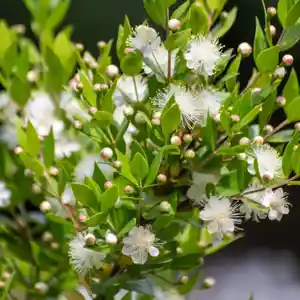
Myrtus communis is most effectively multiplied via cuttings taken in the spring and summer seasons. Its propagation presents a moderate level of difficulty, with indicators of success being the emergence of new shoots and the formation of roots. Sustained humidity and elevated temperatures are crucial for successful propagation.
Optimal Time for Common Myrtle Propagation
Propagation Method
Cutting
Propagation Period
Spring, Summer
Tools Required for Common Myrtle Propagation
Sharp Pruning Shears
These are vital for taking cuttings from common myrtle. The blades must be sharp and clean to ensure a precise cut, minimizing damage and reducing disease transmission risk. Clean cuts aid in easier and more successful rooting.
Rooting Hormone Powder or Gel
This promotes root development on common myrtle cuttings. A rooting hormone can significantly boost the likelihood of successful propagation by stimulating root growth, which is essential for new plant establishment.
Sterilizing Solution
This is used to sanitize pruning shears and other tools before cutting. This prevents pathogen spread to common myrtle, ensuring new plants are healthy and disease-free from the start.
Potting Mix
A well-draining and sterile potting mix is crucial for planting cuttings. It offers necessary support and nutrients while preventing waterlogging, which could cause rot. A suitable mix for common myrtle balances drainage and water retention.
Propagation Tray or Pots
Small containers or trays are used to plant and initially grow cuttings. They should have proper drainage and be appropriately sized to accommodate common myrtle’s root growth without overcrowding.
Plastic Covers or Propagation Domes
These create a greenhouse-like environment around common myrtle cuttings, maintaining high humidity levels vital for encouraging root growth during the initial propagation stages.
Heating Mat (Optional)
While not always necessary, a heating mat can benefit common myrtle’s cuttings, especially in cooler climates. It maintains a consistent, appropriate temperature to promote rooting and healthy growth during propagation.
How to Propagate Common Myrtle
Propagation Method
Cutting
Difficulty Level
Moderately Difficult
Caring for Newly Propagated Common Myrtle
Caring for Newly Propagated Common Myrtle
After propagation, common myrtle needs well-draining soil and a location with full sun to partial shade. Water new plants thoroughly but allow the soil to dry between waterings. Fertilize young plants with a balanced, slow-release fertilizer in spring as they begin to grow. Prune common myrtle annually to maintain shape and encourage bushy, dense growth. Protect common myrtle from frost in colder climates, and ensure good air circulation to prevent fungal disease.
Common Mistakes to Avoid When Propagating Common Myrtle
Ignoring root development
Not allowing sufficient time for common myrtle cuttings to develop strong roots before transplanting can result in weak plants more susceptible to stress and less likely to establish.
Overwatering
Excessive watering of common myrtle cuttings or seeds can lead to root rot and fungal diseases, which are detrimental to plant health and can hinder successful propagation.
Using dull tools
Propagating common myrtle with non-sterile or dull cutting tools can damage plant tissues and introduce pathogens, reducing the chances of successful propagation.
Neglecting humidity
Failing to maintain a humid environment for common myrtle cuttings can cause them to dry out and decrease their viability.
Overlooking pest control
Neglecting to monitor for pests during the early stages of common myrtle propagation can lead to infestations that compromise the health and growth of newly propagated plants.
Tips For Propagating Common Myrtle
Healthy parent plant
Ensure the parent plant is healthy and free of pests and diseases. Strong genetic material is crucial for successful common myrtle propagation.
Proper cuttings selection
Choose semi-hardwood stem cuttings about 4-6 inches long, with several leaves, as they tend to root well and produce robust common myrtle plants.
Soil preparation
Use a well-draining soil mix and consider adding rooting hormone to encourage root growth. The right soil conditions are vital for common myrtle's root development.
Controlled environment
Maintain a consistent environment with adequate light and warmth to facilitate the rooting process of common myrtle cuttings.
Regular maintenance
Regularly check common myrtle propagated plants for water needs and inspect for signs of growth or potential problems, adjusting care as necessary.



