How to Propagate Poet's narcissus?
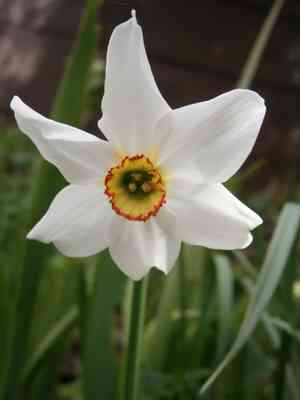
The most effective way to propagate poet's narcissus is by utilizing tubers in the springtime. This method presents a moderate level of challenge. Indicators of successful propagation primarily involve robust root development. Proper management of tubers and appropriate planting depth are crucial for achieving the best results.
Optimal Period for Propagating Poet's Narcissus
Propagation Method
Utilize The Tubers
Propagation Period
Spring
Tools Required for Poet's Narcissus Propagation
Trowel
A robust trowel is vital for loosening the soil around the poet's narcissus, aiding in the extraction of its tubers with minimal harm. Its ergonomic handle and pointed blade are especially useful for precise work, reducing strain on the propagator's hand and preventing damage to the plant's tubers.
Garden Fork
This implement is employed for gently lifting and separating the tubers of the poet's narcissus from the earth. It features flat, broad tines to minimize injury to the tubers. A garden fork also helps aerate the soil, making it easier to manage and less compacted, which is crucial for tuber health.
Sharp Knife
A clean, sharp knife is indispensable for dividing the tubers of the poet's narcissus if propagation is done by sectioning. The knife must be disinfected between cuts to prevent disease spread. Its keen edge ensures a clean incision, important for the plant's recovery and propagation success.
Planting Pots
Suitable planting containers offer an environment for new poet's narcissus tubers to establish roots. They must have sufficient drainage to prevent waterlogging, which can cause rot in the tubers. Selecting the correct pot size is also important to accommodate growing roots without being excessively large.
Perlite or Vermiculite
These soil amendments enhance drainage and aeration when blended with standard potting mix. This is critical for poet's narcissus tubers, ensuring they do not remain in waterlogged conditions that could lead to decay and illness.
Rooting Hormone Powder
While not mandatory, rooting hormone can be applied to the cut surfaces of poet's narcissus tubers to stimulate root growth and help deter fungal infections. This product can boost the likelihood of successful propagation, especially in less than ideal circumstances.
Watering Can with a Fine Rose
A watering can equipped with a fine rose attachment allows for gentle irrigation of the newly planted poet's narcissus tubers. This ensures the soil is moistened without disruption or erosion, which is important for the establishment of delicate new roots.
Labels and Waterproof Marker
Labels are crucial for documenting details about the poet's narcissus, such as planting date and tuber origin. A waterproof marker ensures the information remains readable throughout the propagation process, vital for tracking progress and maintaining a proper schedule.
How to Propagate Poet's Narcissus?
Propagation Method
Utilize The Tubers
Difficulty Level
Simple
Caring for Your Newly Propagated Poet's Narcissus
Caring for Your Newly Propagated Poet's Narcissus
Post-propagation, ensure poet's narcissus receives consistent watering, particularly during dry spells. Fertilize annually with a balanced feed in early spring. Remove spent flowers to encourage more blooms and prevent seed formation. Monitor for pests and diseases, such as aphids and basal rot, and treat as needed. After blooming, allow the foliage to naturally wither to provide energy for the tubers for the subsequent season. In colder regions, protect poet's narcissus from frost by applying a thicker layer of mulch in autumn.
Common Errors to Avoid When Propagating Poet's Narcissus
Excessive watering during dormancy
Overwatering poet's narcissus when it is inactive can lead to bulb rot and fungal diseases, severely impacting the plant's overall health and future propagation potential.
Insufficient planting depth
If poet's narcissus bulbs are not planted at the correct depth, they may lack adequate insulation against temperature changes and could dry out or fail to root properly, impeding growth.
Neglecting soil drainage
Poorly draining soil can retain too much moisture, creating an environment conducive to bulb and root rot for poet's narcissus, hindering its ability to propagate successfully.
Advice for Propagating Poet's Narcissus
Proper soil preparation
Ensuring the soil is well-draining and rich in organic matter will provide poet's narcissus with the necessary conditions for proper rooting and healthy development.
Bulb division
Dividing poet's narcissus bulbs every few years helps prevent overcrowding and promotes vigorous growth, contributing to successful propagation as each section can develop into a new plant.
Correct planting depth
Planting poet's narcissus bulbs at the appropriate depth, typically three times the bulb's height, helps provide sufficient space for root development and protects against extreme weather conditions.



