How to Propagate Boston fern?
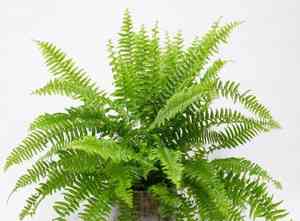
The optimal period for propagating boston fern is in Spring or Autumn through the method of division. This process is quite straightforward, with fresh shoots indicating successful propagation. Gently divide the root mass, and ensure the growing medium remains uniformly damp.
Optimal Period for Boston Fern Propagation
Propagation Type
Division
Propagation Season
Spring, Autumn
Tools Required for Boston Fern Propagation
Sharp, Sterilized Scissors or Shears
These implements are vital for cleanly severing the dense root structure of boston fern, preventing undue harm. Keen blades ensure a precise cut, reducing plant stress and encouraging quicker recovery and new growth. Sterilization stops disease transmission between plants during the propagation process.
Gloves
Wearing hand protection safeguards the propagator's skin from potential irritants present in the soil or on the boston fern plant itself. Gloves also prevent the transfer of natural oils and bacteria from hands to the plant, which could negatively impact its well-being.
Watering Can with a Fine Nozzle
This instrument is essential for gently irrigating the newly propagated boston fern without disturbing the growing medium or harming its delicate fronds. The fine nozzle allows for precise moisture regulation, which is crucial for root establishment.
Clear Plastic Bags or Plastic Wrap
These items are utilized to create a miniature greenhouse effect around the recently propagated boston fern, maintaining elevated humidity levels that are favorable for frond development and root establishment during the critical post-division recovery phase.
Potting Soil or a Soilless Potting Mix
A well-draining, nutrient-rich substrate is fundamental for the healthy root development of boston fern following division. A loose composition permits air circulation and prevents waterlogging, which could lead to root decay.
Propagation Trays or Pots
Providing an appropriate container for each boston fern division is essential. Trays or pots should possess adequate drainage holes and be sufficiently sized to accommodate the root system without overcrowding, as this fosters robust growth.
Method for Propagating Boston Fern
Propagation Type
Division
Difficulty Level
Easy
Post-Propagation Care for Your Boston Fern
Post-Propagation Care for Your Boston Fern
Following propagation, keep the soil consistently moist for the new boston fern plants, avoiding over-saturation. Provide bright, indirect illumination, and ensure high humidity through misting or using a humidity tray. Steer clear of direct sunlight and drafts. Fertilize the boston fern bi-monthly during its active growth period with a balanced, water-soluble plant food. Regularly check for pests and clean dust from the fronds to maintain their health and appearance.
Common Errors to Avoid When Propagating Boston Fern
Overwatering
Saturated soil can cause root rot in boston fern, which is detrimental to its health and can hinder successful propagation.
Too much sunlight
Boston fern fronds may burn under direct sun exposure, impeding photosynthesis and growth vital for successful propagation.
Cutting too short
Trimming boston fern's runners excessively short leaves insufficient length for rooting, which is crucial for generating new plants.
Ignoring humidity
Boston fern thrives in humid environments; low humidity can lead to frond dehydration and unsuccessful propagation efforts.
Over-fertilizing
Excessive fertilizer can damage boston fern's delicate roots, reducing propagation success and overall plant vitality.
Advice for Propagating Boston Fern
Division method
Propagate boston fern by separating the rootball during repotting, ensuring each section has multiple fronds and roots for successful establishment.
Moisture retention
During propagation, keep boston fern's soil consistently damp but not waterlogged to encourage root development without risking rot.
Indirect lighting
Position boston fern in bright, indirect light to promote vigorous growth without the harm caused by direct sunlight.
Humidity control
Maintain a humid environment for boston fern to replicate its natural habitat, fostering frond health and successful propagation.
Balanced fertilization
Use a diluted balanced fertilizer for boston fern during its active growth season to support healthy development without overwhelming the plant.



