How to Propagate Oleander?
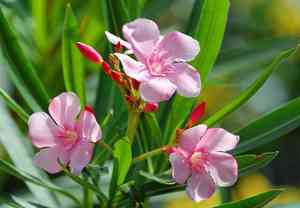
Oleander multiplication is most effective via cuttings throughout the warmer periods of spring and summer. This procedure presents a moderate level of difficulty; the emergence of new foliage signifies successful propagation. Guarantee adequate hydration and prevent overexposure to sunlight for the best outcomes.
Optimal Time for Oleander Propagation
Propagation Method
Cutting
Propagation Period
Spring, Summer
Essential Tools for Oleander Propagation
Sharp Pruning Shears
For taking oleander cuttings, sharp shears ensure a clean cut, minimizing harm to the parent plant and aiding recovery. A precise cut also helps the cutting to form a callus and root more effectively.
Rooting Hormone Powder or Gel
This substance encourages root development on oleander cuttings, boosting the likelihood of successful rooting. Apply it to the stem's cut end prior to planting.
Sterile Potting Mix
A sterile potting mix offers a pathogen-free environment for oleander cuttings, maximizing their potential to root without disease interference.
Propagation Trays or Pots
These containers hold the sterile potting mix and provide a stable setting for oleander cuttings to establish roots. Clear plastic covers can be used to maintain humidity levels around the cuttings.
Pebble or Perlite Tray for Bottom Heat
Oleander benefits from a steady, warm base temperature to stimulate rooting. A tray with water and pebbles or perlite can provide gentle bottom heat without overly wet conditions.
Misting Bottle
Oleander cuttings require moisture but should not be waterlogged. A misting bottle helps deliver controlled moisture, crucial for successful rooting without causing rot.
Disinfectant for Tools
Sanitizing pruning shears and other tools before and after taking oleander cuttings prevents the spread of diseases between plants.
Steps to Propagate Oleander
Propagation Method
Cutting
Difficulty Level
Moderately Difficult
Post-Propagation Care for Your New Oleander
Post-Propagation Care for Your New Oleander
Once the oleander is established after cutting propagation, it needs proper care to flourish. Water the young plant regularly to keep the soil moderately moist, but allow it to dry slightly between waterings to prevent root rot. Oleander thrives in full sun but can tolerate some light shade. Fertilize oleander with a balanced fertilizer during the growing season for optimal growth. Prune oleander annually in late winter or early spring to encourage bushiness and remove any dead or damaged branches. Be vigilant about pests or diseases, though oleander is generally resilient. Always handle oleander with care and wear gloves as all parts of the plant are toxic if ingested.
Common Errors to Avoid When Propagating Oleander
Inadequate rooting medium preparation
Insufficiently preparing the rooting medium can lead to poor root development. Oleander cuttings thrive in a well-draining mixture, so neglecting this step can result in waterlogged conditions, increasing the risk of root rot and propagation failure.
Neglecting cutting treatment
Failing to treat the cuttings before planting can result in slower or unsuccessful rooting. A rooting hormone helps oleander cuttings develop roots, so skipping this step can significantly reduce the chances of successful propagation.
Incorrect cutting selection
Using diseased or weak cuttings can lead to propagation failure. The health of the parent oleander directly impacts the cutting's ability to root and grow, so selecting compromised cuttings might waste effort and resources.
Overwatering
Providing too much water can lead to fungal growth and rot, which can kill oleander cuttings before they have a chance to root. Balancing moisture levels is critical for the healthy propagation of oleander.
Underwatering
Failing to provide enough moisture can lead to desiccated cuttings that fail to root. Oleander cuttings need consistent moisture to encourage root growth without becoming waterlogged.
Tips For Propagating Oleander
Rooting medium
Use a well-draining soil mix, enhanced with sand or perlite, to ensure good drainage and aeration. This will help oleander cuttings develop healthy roots without the risk of rot.
Cutting treatment
Dip the cut end of oleander cuttings in a rooting hormone before planting. This practice promotes faster and more consistent root growth, increasing the chances of successful propagation.
Cutting selection
Choose healthy and vigorous cuttings from a disease-free oleander plant. Look for stems that are neither too young nor too old; semi-hardwood stems are usually the best candidates for propagation.
Moisture balance
Keep the soil consistently moist, but not soggy. A balance of moisture encourages the oleander cuttings to root without risking fungal diseases associated with excessive water.
Humidity maintenance
Maintain high humidity around the oleander cuttings by placing a plastic bag or dome over the propagation setup. This mini-greenhouse effect helps to prevent moisture loss and supports new root formation.



