How to Propagate Switchgrass?
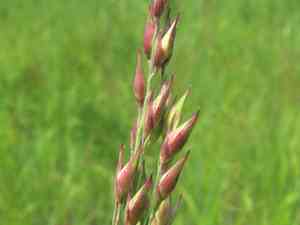
Switchgrass multiplies most efficiently via separation, preferably performed in spring or fall. This procedure is quite simple, with successful multiplication evidenced by the emergence of new shoots. Proper spacing of the divided sections contributes to robust development.
Optimal Time for Switchgrass Propagation
Method of Propagation
Splitting
Propagation Period
Spring, Fall
Tools for Switchgrass Propagation
Sharp Garden Spade or Knife
A keen-edged garden spade or a robust garden knife is essential for separating switchgrass clumps. A clean cut minimizes root damage and reduces disease risk. The tool must be disinfected prior to use to prevent pathogen spread.
Garden Fork
A garden fork is utilized to gently extract switchgrass clumps from the ground without causing undue root harm. Its tines should be strong enough to penetrate soil and provide leverage to loosen the root ball's surrounding earth.
Root Pruning Shears
Root pruning shears are vital for trimming switchgrass roots during division, ensuring they fit new planting spots or containers. Shear blades must be sharp and sanitized to facilitate healthy root cuts without fraying or crushing.
Watering Can or Hose
Adequate hydration is critical. A watering can or hose with a soft spray nozzle allows for proper watering of switchgrass immediately after division and transplanting to prevent shock and encourage rapid root establishment.
Mycorrhizal Fungi or Rooting Hormone
Applying mycorrhizal fungi or a rooting hormone can boost root development in switchgrass divisions. This can increase propagation success by stimulating root growth and enhancing nutrient absorption.
How to Propagate Switchgrass
Propagation Method
Division
Difficulty Level
Simple
Caring for Newly Propagated Switchgrass
Caring for Newly Propagated Switchgrass
Post-propagation, continue to supply switchgrass with ample water, especially during its initial growing season, to foster a deep, extensive root system. Once established, switchgrass is drought-tolerant; after the first year, reduce watering but provide occasional deep irrigation during extended dry periods. Fertilize switchgrass sparingly, as it prefers less rich soils. Monitor for pests or diseases, though switchgrass is generally resilient and should thrive with minimal intervention. In late winter, cut back old growth to allow for new shoots in spring.
Common Errors to Avoid When Propagating Switchgrass
Insufficient root separation
This occurs when gardeners attempt to propagate switchgrass via division but fail to adequately separate root systems, leading to diminished plant vigor and potential failure of new clumps to establish.
Excessive soil moisture
Maintaining overly damp soil conditions can lead to root rot, which is particularly damaging for switchgrass during early propagation stages, as it can severely harm the root structure vital for the plant's survival.
Disregarding local ecotypes
Opting not to use local switchgrass ecotypes for propagation can result in poor adaptation to specific environmental conditions, potentially leading to lower survival rates and less optimal growth.
Overcrowding seedlings
Sowing too many switchgrass seeds too closely together can lead to excessive competition for light, space, and nutrients, hindering plant development and potentially resulting in weaker stands of switchgrass.
Tips For Propagating Switchgrass
Seed stratification
Cold-stratifying switchgrass seeds before planting can improve germination rates by breaking dormancy and mimicking natural winter conditions, which the seeds need to sprout effectively.
Soil preparation
Ensuring the soil is well-draining and fertile is crucial for successful switchgrass propagation, as it encourages strong root development and supports overall plant health.
Root division technique
Employing proper root division by making clean cuts and ensuring each section has sufficient root mass and multiple growth points will result in healthier and more viable switchgrass transplants.
Seedling care
Providing consistent but not excessive water, shielding switchgrass seedlings from strong winds, and ensuring adequate sun exposure will promote robust growth and help ensure successful establishment post-propagation.



