How to Propagate Corn poppy?
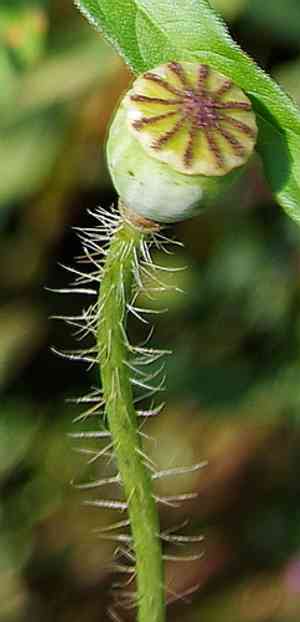
During the spring season, reproduce corn poppy by means of seeding, a straightforward and simple technique. Ensure the seeds remain damp and anticipate the emergence of sprouts within one to two weeks. Assess the effectiveness of germination by noting the appearance of green foliage, and refrain from relocating them to optimize development.
Optimal Time for Corn Poppy Propagation
Propagation Method
Seeding
Propagation Period
Spring
Tools for Corn Poppy Propagation
Seed trays or flats
These shallow, rectangular containers are used for starting seeds. Seed trays aid in organization and efficient space utilization. They also facilitate easier management of the growing environment, such as maintaining consistent moisture, crucial for corn poppy germination.
Fine-textured seed starting mix
This mix offers a well-drained, sterile environment, helping to prevent disease and support delicate seedling roots. For corn poppy, a fine-textured mix improves seed-to-soil contact, vital for capillary action and moisture absorption during germination.
Misting bottle or spray bottle
Used for gently watering seeds and maintaining humidity without disturbing the soil or displacing small seeds. This gentle watering method is important for corn poppy to prevent seeds from washing away and to keep them in optimal germination conditions.
Plastic domes or clear covers
These covers help maintain high humidity around seedlings, which benefits corn poppy by creating a mini-greenhouse effect that can speed up germination.
Heat mat with temperature control
The mat provides consistent bottom heat, promoting faster germination and growth of corn poppy. Temperature control is crucial as corn poppy seeds have specific temperature requirements for optimal germination.
Grow lights
If starting seeds indoors, grow lights ensure seedlings receive adequate light. This is particularly beneficial for corn poppy to prevent leggy growth and encourage strong, healthy development post-germination.
Tweezers or a dibber
These tools are used for precise sowing of small seeds, like those of corn poppy, allowing accurate planting without waste and ensuring seeds are placed at the correct depth.
Labeling stakes or markers
They are used to identify different plant varieties in the flats/trays. Proper labeling ensures that specific care for corn poppy is correctly applied as seedlings grow.
How to Propagate Corn Poppy
Propagation Method
Seeding
Difficulty Level
Easy
Caring for Newly Propagated Corn Poppy
Caring for Newly Propagated Corn Poppy
After propagation, corn poppy requires minimal upkeep. Continue to water during extended dry periods and remove competing weeds. Corn poppy generally doesn't need fertilization in balanced soils. Enjoy the vibrant blooms of corn poppy and deadhead to extend flowering, though leaving some seed heads can encourage natural self-seeding. The plant is relatively resistant to pests and diseases. In the subsequent year, thin out any densely sprouted seedlings as necessary.
Common Errors to Avoid When Propagating Corn Poppy
Planting depth
Corn poppy seeds need light to germinate; burying them too deeply can hinder germination. Seeds should be sown on the soil surface or covered very lightly with soil.
Overwatering
Excessive moisture can cause corn poppy seeds to rot. They require well-drained soil to prevent waterlogging and ensure successful germination and growth.
High fertility soil
Corn poppy thrives in poor to moderately fertile soil. A common error is planting in overly rich soil, which can lead to abundant foliage at the expense of flowers.
Advice for Propagating Corn Poppy
Light exposure
Ensure corn poppy seeds receive sufficient light after sowing. Sow them on the soil surface or gently press them into the soil without covering them.
Moisture control
Keep the soil moist but not waterlogged when propagating corn poppy. Using a spray bottle to mist the soil can prevent overwatering while maintaining necessary moisture levels.
Soil preparation
Prepare a well-draining, low to moderately fertile soil bed for corn poppy. This mimics their natural growing conditions and promotes healthy development.



