How to Propagate Blue passionflower?
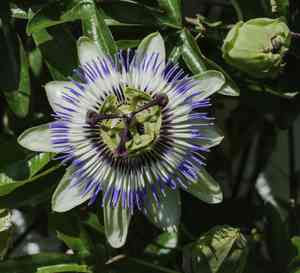
The most effective period for propagating blue passionflower is during the Spring or Summer, with soft stem cuttings being the favored technique. This propagation process is straightforward, and indicators of successful rooting include the emergence of new roots and foliage. When multiplying blue passionflower, it is crucial to guarantee that the cuttings originate from robust, pathogen-free specimens and are maintained in a warm, moist setting until their root systems are well-developed.
Optimal Period for Blue Passionflower Propagation
Propagation Method
Cutting
Propagation Season
Spring, Summer
Tools Required for Blue Passionflower Propagation
Sharp Pruning Shears
These are vital for making clean cuts on the blue passionflower without crushing its stems. A precise cut helps prevent disease and promotes quicker rooting.
Rooting Hormone Powder or Gel
This product encourages root development in blue passionflower stem cuttings. It contains synthetic auxins that mimic the plant's natural hormones, accelerating root formation more efficiently.
Sterile Potting Mix
Providing a clean, pathogen-free environment for blue passionflower cuttings is essential for successful propagation. A sterile mix reduces the risk of fungal infections that can impede root development.
Propagation Trays or Small Pots
Used for planting blue passionflower cuttings, these containers hold the sterile potting mix and maintain an organized propagation setup that can be easily monitored and managed.
Clear Plastic Dome or Bags
Creating a mini-greenhouse effect, these covers help maintain high humidity around blue passionflower cuttings, which is crucial for keeping them hydrated while roots form.
Heat Mat
This tool provides gentle warmth from below, which can significantly enhance root formation in blue passionflower cuttings, especially in cooler environments.
Watering Can with a Fine Rose or Misting Spray Bottle
These tools allow for gentle watering or misting of blue passionflower's cuttings without disturbing the soil or rooting medium, ensuring they remain moist but not saturated.
How to Propagate Blue Passionflower?
Propagation Type
Cutting
Difficulty Level
Easy
Caring for Your Newly Propagated Blue Passionflower
Caring for Your Newly Propagated Blue Passionflower?
Following successful propagation, blue passionflower should be moved to a larger pot with standard potting mix. Blue passionflower thrives in full sun to partial shade with well-drained soil. Water the plant regularly to keep the soil moist but avoid waterlogging. Blue passionflower will benefit from consistent feeding during the growing season with a balanced liquid fertilizer. Provide support for climbing and prune as needed to manage growth and encourage a bushier habit. Protect from frost in regions with cold winters.
Common Propagation Mistakes to Avoid with Blue Passionflower
Overwatering cuttings
Excess moisture will likely cause blue passionflower cuttings to rot before they can establish roots. Overwatering creates an environment favorable for fungal infections and impedes proper root development.
Using unsterilized tools
Propagation material contaminated with pathogens can infect blue passionflower cuttings, leading to disease and potentially plant death. Sterilized tools prevent the transfer of harmful microorganisms.
Ignoring node location
Cuttings for blue passionflower should include a node, as roots typically emerge from these points. A cutting without a node has a reduced chance of successful root development.
Neglecting humidity levels
Low humidity can lead to the drying out of blue passionflower cuttings before rooting. Maintaining adequate humidity is critical for the cuttings to remain hydrated and healthy during root formation.
Planting cuttings too deep
Deep planting can suffocate the stem of blue passionflower, reducing oxygen availability and hindering root growth. It also increases the risk of stem rot.
Tips For Propagating Blue Passionflower
Soil selection
Using a well-draining soil mix is crucial for blue passionflower propagation to ensure proper moisture levels around developing roots while minimizing the risk of waterlogging and root rot.
Rooting hormone application
Applying a rooting hormone can stimulate root growth in blue passionflower cuttings, increasing propagation success by encouraging quicker and healthier root development.
Bottom heat
Providing gentle warmth to the base of blue passionflower cuttings can promote faster root growth by maintaining a consistent and optimal temperature for root development.
Indirect lighting
Placing blue passionflower cuttings in bright, indirect light supports healthy growth without the stress of direct sunlight, which can desiccate the cuttings before root establishment.
Moderate watering
Keeping the soil of blue passionflower moist but not waterlogged is essential. This balance ensures cuttings have enough water for growth, while preventing rot.



