How to Propagate Emerald ripple peperomia?
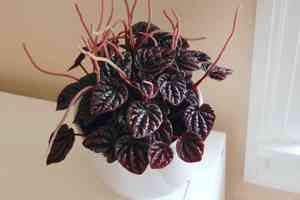
Emerald ripple peperomia flourishes when propagated via the Spring and Summer cutting technique. This method presents a moderate challenge, with successful rooting evidenced by the emergence of fresh foliage. Ensure elevated atmospheric moisture for the best outcomes.
What Is the Best Time To Propagate Emerald Ripple Peperomia?
Propagation Type
Cutting
Propagation Season
Spring, Summer
What Tools Are Used in Emerald Ripple Peperomia Propagation?
Sharp Scissors or Pruning Shears
A precise cut is vital to avoid harming emerald ripple peperomia's delicate stem tissues. Sharp scissors or pruning shears guarantee cuttings are taken without crushing or tearing stems, which can cause infection or poor root development.
Rooting Hormone
Rooting hormone can speed up root development and boost the chances of successful propagation. For emerald ripple peperomia, with its relatively soft stem tissue, the hormone promotes quicker rooting, which is crucial for its establishment.
Sterilizing Agent (e.g., Rubbing Alcohol)
Sterilization prevents disease transmission during the cutting process. Applying a sterilizing agent to cutting tools before propagation ensures that any potential pathogens are eliminated, safeguarding the health of emerald ripple peperomia cuttings.
Potting Mix
A well-draining potting mix is essential to prevent root rot and provide the necessary aeration for emerald ripple peperomia. Choose a mixture that retains moisture but allows excess water to drain away easily, promoting healthy root development.
Small Pots or Containers
After treating the cuttings with rooting hormone, they should be placed in small pots or containers with potting mix. The size should be appropriate for the cuttings to avoid excessive moisture retention around the developing roots of emerald ripple peperomia.
Plastic Bags or Propagation Chamber
Maintaining high humidity around emerald ripple peperomia cuttings is essential for successful propagation. Covering the containers with plastic bags or placing them in a propagation chamber retains moisture and warmth, encouraging root growth without drying out the cutting.
Watering Can with a Fine Rose
Gentle watering is required to keep the potting mix moist without disturbing the delicate emerald ripple peperomia cuttings. A watering can with a fine rose attachment allows for soft, even distribution of water, preventing soil erosion or displacement of the cuttings.
How to Propagate Emerald Ripple Peperomia?
Propagation Type
Cutting
Difficulty Level
Easy
How to Care for Your Newly Propagated Emerald Ripple Peperomia?
How to Care for Your Newly Propagated Emerald Ripple Peperomia?
After propagation, emerald ripple peperomia should be cared for in a manner that fosters healthy growth. Water the soil when it feels dry to the touch, but be careful not to overwater as emerald ripple peperomia is susceptible to root rot. Provide bright, indirect light, and maintain a temperature between 65-75°F (18-24°C). Fertilize monthly with a balanced, water-soluble fertilizer diluted to half the recommended strength during the growing season. Repot emerald ripple peperomia when it outgrows its pot, usually every 2-3 years, to provide fresh nutrients and room for growth.
Common Mistakes to Avoid When Propagating Emerald Ripple Peperomia
Overwatering cuttings
Excessive soil moisture can lead to root rot, significantly decreasing the chances of successful propagation as the delicate roots of emerald ripple peperomia are prone to rotting in waterlogged conditions.
Using non-sterilized tools
Cutting emerald ripple peperomia with contaminated tools can introduce pathogens to the fresh cuts, impairing growth or causing disease.
Too much light
Although emerald ripple peperomia needs good light to thrive, placing cuttings in direct sunlight can cause dehydration and scorching, hindering proper root development.
Incorrect soil mix
Utilizing a soil mix that does not drain well or retain enough moisture can lead to root rot or dessication of emerald ripple peperomia's roots.
Neglecting humidity needs
Underestimating the importance of a humid environment can prevent the cuttings of emerald ripple peperomia from establishing well, as they require high humidity for optimal growth.
Harvesting weak cuttings
Choosing unhealthy or weak stems for propagation will lead to poor root development and lower the overall success rate for growing emerald ripple peperomia.
Tips For Propagating Emerald Ripple Peperomia
Watering appropriately
Maintaining a delicate balance of moisture is imperative for emerald ripple peperomia; the soil should be slightly damp but not waterlogged to promote healthy root growth without the risk of rot.
Use of sterilized equipment
Always use clean, sterilized tools when taking cuttings from emerald ripple peperomia to prevent the spread of disease.
Indirect light
Provide plenty of indirect light for emerald ripple peperomia cuttings to encourage growth without causing the potential damage that direct sunlight can bring.
Proper soil mix
Using a well-draining soil mix thatâs rich in organic matter supports the health of emerald ripple peperomia's roots and aids in successful propagation.
Maintaining humidity
Create a humid microclimate for emerald ripple peperomia cuttings, such as by covering them with a clear plastic bag, to retain moisture and encourage root development.
Selecting healthy cuttings
Always select robust and healthy-looking cuttings from emerald ripple peperomia to ensure a higher rate of success in the propagation process.



