How to Propagate Baby rubber plant?
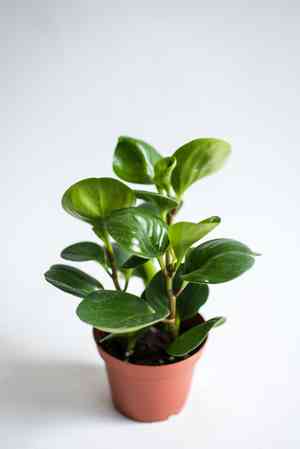
The Peperomia obtusifolia can be readily multiplied using stem sections, preferably collected in the Spring or Summer seasons. Observe for indicators of successful rooting, including the emergence of roots or fresh foliage. Maintain adequate moisture for the cuttings to foster root formation.
Optimal Time for Baby Rubber Plant Propagation
Propagation Method
Cutting
Propagation Period
Spring, Summer
Tools Required for Baby Rubber Plant Propagation
Sharp pruning shears or scissors
These instruments are utilized to achieve clean cuts when harvesting stem or leaf sections from baby rubber plant, minimizing harm to both the parent plant and the new cutting. Precise cuts help reduce infection risk and promote faster healing and root formation.
Rooting hormone
While baby rubber plant can establish roots without it, applying rooting hormone to the severed end of the cutting can stimulate quicker root development and enhance the likelihood of successful propagation. This product contains auxins that boost root growth.
Small pots or propagation trays
Suitable for placing the cuttings into an appropriate growth medium after harvesting. These containers offer a controlled environment for the cutting to develop roots and should feature drainage holes to prevent water accumulation.
Well-draining potting mix
A medium specifically formulated for aeration and drainage supports root growth for baby rubber plant cuttings. Components like perlite, vermiculite, or pumice improve drainage and air circulation to the developing roots.
Plastic wrap or a clear plastic dome
These cover the cutting and its container, creating a miniature greenhouse effect. The enclosed space maintains humidity and warmth around baby rubber plant, which are vital conditions for encouraging root development.
Misting bottle
Used to lightly spray the baby rubber plant cuttings, ensuring they remain hydrated without becoming waterlogged. Regular misting maintains high humidity levels, which is beneficial for root development in cuttings.
How to Propagate Baby Rubber Plant?
Propagation Method
Cutting
Difficulty Level
Easy
Caring for Your Newly Propagated Baby Rubber Plant
Caring for Your Newly Propagated Baby Rubber Plant?
Once roots are established and new growth emerges, gradually acclimate baby rubber plant to standard growing conditions by removing the plastic bag and lowering humidity. Continue to keep the soil consistently moist (not saturated) and provide bright, indirect light. Fertilize every other month with a balanced, water-soluble fertilizer during the active growth period (spring and summer). Avoid overwatering and ensure the pot has adequate drainage. Maintain a temperature range between 65-75°F (18-24°C) and shield baby rubber plant from drafts. Finally, establish a regular watering schedule when the top inch of soil feels dry to the touch and ensure high humidity by misting the leaves or using a pebble tray.
Common Errors to Avoid When Propagating Baby Rubber Plant
Overwatering
Excessive watering during propagation can lead to root rot in baby rubber plant, which prefers to dry out slightly between waterings. Constantly damp soil may promote fungal diseases and decay in the cutting before it can establish roots.
Using dull cutting tools
Blunt tools can crush or damage the stems of baby rubber plant during cutting, making it harder for the cutting to form roots and increasing the risk of infection.
Taking cutting from weak or unhealthy plants
Cuttings from a weak or an unhealthy baby rubber plant may struggle to root or grow, as they lack the vitality necessary for establishing new growth.
Ignoring humidity
Not maintaining sufficient humidity around the cuttings of baby rubber plant can result in cuttings drying out before they have a chance to root. High humidity is crucial for encouraging root and leaf development.
Tips For Propagating Baby Rubber Plant
Stem cuttings
Select a healthy part of the baby rubber plant and use a sharp, sterilized cutting tool to take a 4-6 inch cutting just below a node. This increases the chance of successful rooting.
Leaf cuttings
Although slower, leaf cuttings can be a viable method to propagate baby rubber plant. Cut a leaf with a small amount of stem attached, and place it in moist soil, covering the cut end lightly.
Adequate light
Provide bright, indirect light to the baby rubber plant cuttings to encourage rooting without the risk of sunburn, which can occur with intense direct sunlight.
Rooting hormone
Applying rooting hormone to the cut base of baby rubber plant cuttings can promote faster and more successful root development.



