How to Propagate Obedient plant?
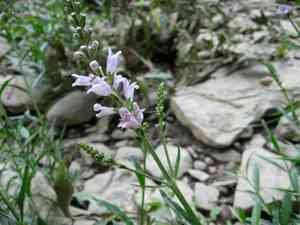
Physostegia virginiana multiplies well via separation during the spring and fall seasons. A moderate level of challenge might be experienced during this propagation process. The emergence of new plant development signifies successful propagation. Ensure the separated sections remain hydrated as they take root.
Optimal Time for Obedient Plant Propagation
Propagation Method
Separation
Propagation Period
Spring, Autumn
Tools for Obedient Plant Propagation
Garden Fork or Spade
These implements are designed to gently raise and separate obedient plant's dense clusters from the earth without causing excessive root damage. Their sharp, robust tines or blades are perfect for penetrating the soil and carefully extracting the plant from its established spot.
Hori-Hori Knife
This versatile gardening tool is useful for precisely dividing the root ball of obedient plant. Its serrated edge helps cut through tough roots, while the curved blade effectively scoops soil, aiding in the transplanting process.
Pruning Shears
Clean, sharp pruning shears are essential for trimming any damaged roots or foliage of obedient plant during the division process, ensuring a clean cut that promotes better healing and reduces disease risk.
Watering Can or Hose with a Gentle Spray Attachment
Consistent, gentle watering is vital after propagating obedient plant via division. This tool ensures newly transplanted divisions are adequately hydrated to encourage root establishment without washing away soil or causing erosion.
Rooting Hormone (Optional)
Applying a rooting hormone can stimulate root growth for obedient plant divisions. While not always necessary due to obedient plant's naturally robust rooting system, it can be beneficial to promote quicker establishment in their new location.
How to Propagate Obedient Plant
Propagation Method
Division
Difficulty Level
Easy
Caring for Your Newly Propagated Obedient Plant
Caring for Your Newly Propagated Obedient Plant
Post-propagation, ensure obedient plant receives ample water, especially during its initial growth season, to develop a strong root system. Obedient plant thrives in full sun to partial shade and prefers moist, well-drained soil. Remove spent flowers to encourage further blooming and prevent self-seeding if desired. Obedient plant can be cut back in late fall or early spring. Monitor for pests and diseases, treating as needed to maintain obedient plant's health.
Common Errors to Avoid When Propagating Obedient Plant
Excessive Watering
Too much water can lead to root rot and fungal growth, harming obedient plant's health and hindering root development during propagation.
Deep Planting
Planting cuttings or divisions too deeply can cause obedient plant's stems to rot, preventing proper establishment and growth.
Ignoring Soil Conditions
Obedient plant prefers well-draining soil. Planting in heavy, compact soil can result in poor root development and waterlogging.
Overcrowding
Propagating obedient plant too closely together can lead to competition for resources and increased susceptibility to disease due to poor air circulation.
Neglecting Aftercare
Failing to provide adequate care post-propagation can result in a lack of establishment or growth, as obedient plant needs consistent moisture and monitoring in its early stages.
Tips for Propagating Obedient Plant
Division at the Correct Growth Stage
Divide obedient plant when dormant in late fall or early spring for best results, allowing roots to establish without the stress of supporting full foliage growth.
Proper Cutting Technique
When taking cuttings, use a clean, sharp tool to make a slanted cut just below a node, which promotes better rooting for obedient plant.
Soil Preparation
Create a mixture of garden soil and organic matter or use a potting mix to ensure good drainage and nutrient availability for obedient plant's roots.
Appropriate Spacing
Give each new obedient plant plant enough space to grow, ensuring proper air circulation and reducing competition for nutrients and water.
Consistent Moisture
Keep the soil consistently moist but not waterlogged after propagation to encourage healthy root growth in obedient plant.



