How to Propagate Limber pine?
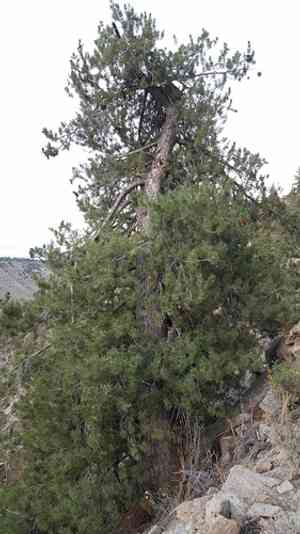
Limber pine can be successfully multiplied using cuttings. It is recommended that cultivators choose robust, semi-lignified segments from established trees to achieve optimal outcomes. These cuttings ought to be dipped in rooting compound and situated in porous soil that retains consistent dampness. Providing a steady setting with diffused light will encourage the formation of roots. For novice plant enthusiasts aiming to cultivate limber pine, perseverance and adherence to these particular requirements are crucial for effective propagation.
Optimal Period for Limber Pine Propagation
Propagation Method
Cutting
Propagation Season
Autumn,Winter
Tools for Limber Pine Propagation
Sharp Pruning Shears
Crucial for obtaining healthy limber pine cuttings, sharp pruning shears ensure a clean, precise cut, minimizing harm to the parent plant and boosting the cutting's survival rate. These shears are especially vital for cleanly severing the often resinous and tough branches of limber pine, promoting faster healing and reducing infection risks.
Rooting Hormone Powder
This substance aids in the development of roots in limber pine cuttings. The rooting hormone stimulates root growth at the cut end, increasing the likelihood of successful rooting, which is essential for limber pine's propagation where natural root development can be slow or challenging.
Sterile Potting Mix
A sterile potting mix offers a pathogen-free environment, vital for the initial growth phase of limber pine cuttings. Ensuring the mix drains well yet retains moisture supports new root development without the risk of waterlogging, which can lead to root rot.
Misting Bottle
Used to maintain adequate humidity around the limber pine cutting, a misting bottle helps keep the foliage hydrated and reduces water loss through transpiration. This is particularly beneficial for creating an ideal microclimate around the cutting, promoting successful root development.
Heated Propagation Mat
Given limber pine's temperature sensitivity during rooting, a heated propagation mat maintains a consistent soil temperature, enhancing the rooting process. This tool is especially advantageous during cooler months or in colder climates where maintaining an optimal rooting temperature can be challenging.
How to Propagate Limber Pine?
Propagation Type
Moderately Difficult
Caring for Your Newly Propagated Limber Pine
Caring for Your Newly Propagated Limber Pine
Once limber pine cuttings have rooted, gradually introduce them to outdoor conditions. Transplant them to a well-draining, sunny garden spot. Water regularly to keep the soil moist, especially during dry periods, and mulch around the base to retain moisture and control weeds. Apply slow-release fertilizer in early spring to support healthy growth. Limber pines are hardy and drought-tolerant once established, but they benefit from protection against extreme weather and pests during their early years.
Common Mistakes to Avoid When Propagating Limber Pine
Overwatering
Excessive watering can lead to fungal infections and root rot in limber pine. This compromises the plant's overall health, hindering growth and potentially causing plant death.
Improper Soil Mix
Using soil that is too dense or lacks adequate drainage can impede root development and oxygen availability for limber pine. This can stunt growth and reduce successful propagation.
Ignoring Stratification
Neglecting the need to stratify limber pine seeds might result in poor germination rates. This process is crucial to break seed dormancy and stimulate natural growth cycles.
Tips For Propagating Limber Pine
Cold Stratification
Exposing limber pine seeds to cold stratification mimics natural winter conditions, helping to break seed dormancy and increase germination success. This can be achieved by storing seeds in a refrigerator for a recommended duration.
Well-Draining Soil
Utilizing a well-draining soil mix for limber pine will encourage better root health and prevent waterlogging, an essential factor for the pine's viability and growth outdoors.
Controlled Watering
Maintaining a controlled watering schedule ensures that limber pine's soil remains moist but not waterlogged, crucial for preventing root diseases and fostering suitable growth conditions.



