How to Propagate Longleaf pine?
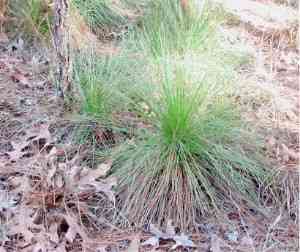
Optimal propagation techniques for Pinus palustris encompass layering, taking cuttings, and seed sowing throughout the fall and winter periods. This process can present a moderate challenge, with indicators of success being the emergence of roots and fresh shoots. Guarantee appropriate humidity and thermal conditions to achieve the most favorable outcomes.
Optimal Time for Longleaf Pine Propagation
Propagation Method
Cuttings
Propagation Period
Fall,Winter
Tools for Longleaf Pine Propagation
Pruning Shears
Sharp, clean pruning shears are essential for taking cuttings from the parent longleaf pine tree. They allow for precise cuts that minimize damage to the parent plant's tissue while providing a clean surface for callus formation on the cutting itself. This helps reduce infection risk and promotes faster healing and root development.
Rooting Hormone
Applying rooting hormone to the base of longleaf pine cuttings helps stimulate root growth more quickly and effectively. This synthetic auxin mimics natural growth hormones, increasing the likelihood of successful rooting, which is particularly important for longleaf pine due to its slow propagation rate.
Sterilization Equipment
Tools such as a flame or alcohol should be used to sterilize pruning shears and other equipment before use. This practice prevents the spread of disease and pathogens between plants, contributing to the overall success and health of the longleaf pine propagation endeavor.
Propagation Trays
These shallow containers are suitable for starting longleaf pine cuttings. The trays allow organized spacing of individual cuttings and adequate substrate depth for initial root growth, while also enabling easy monitoring of moisture levels and root development.
Soilless Potting Mix
A well-draining, sterile, and nutrient-balanced soilless potting mix is critical for the growth of longleaf pine cuttings. It reduces the risk of soil-borne diseases and provides a suitable medium for root establishment, which is essential for the slow-growing longleaf pine.
Greenhouse or Humidity Dome
Maintaining a consistent, high-humidity environment is beneficial for longleaf pine cuttings to prevent them from drying out. A greenhouse or a humidity dome can create such a controlled environment, protecting the cuttings while they develop roots.
Misting System
Regular misting keeps the environment around the longleaf pine cuttings humid, which is vital for preventing desiccation. Installing a misting system can automate this process, ensuring consistent moisture levels are maintained, which is crucial for the cuttings' survival.
Heating Mat
A bottom heating mat provides gentle, consistent warmth that can significantly improve the rooting success rate of longleaf pine cuttings. The additional heat supports the metabolic processes necessary for root formation in the early stages of propagation.
Caring for Your Newly Propagated Longleaf Pine
Caring for Your Newly Propagated Longleaf Pine
After propagation, ensure longleaf pine continues to receive adequate sunlight, water, and nutrients. Longleaf pine prefers full sun and well-drained soils. Irrigate them regularly, especially in dry periods, until fully established. Monitor for pests and diseases, and apply necessary controls when needed. Due to longleaf pine's slow initial growth, it is crucial to minimize competition from weeds and other vegetation by maintaining a cleared area around young plants.
Common Mistakes to Avoid When Propagating Longleaf Pine
Inadequate seed source
Using seeds collected from unsuitable parent trees can lead to poor germination rates and weak seedlings. It's essential to use high-quality, viable seeds from good genetic stock for successful propagation of longleaf pine.
Improper seed stratification
Failing to properly stratify seeds before planting can result in germination failure since longleaf pine requires a period of cold stratification to break seed dormancy.
Soil compaction
Planting seeds or seedlings in compacted soil impedes root growth of longleaf pine, which can cause stunted growth and reduced survival rate.
Overwatering
While longleaf pine is tolerant of moist conditions, excessive watering, especially for young plants, can lead to root rot and other fungal diseases.
Neglecting mycorrhizal associations
Longleaf pine benefits significantly from symbiotic relationships with mycorrhizal fungi. Ignoring this association can lead to suboptimal growth and nutrient uptake.
Tips For Propagating Longleaf Pine
Use certified seeds
Obtain seeds from reputable sources to ensure high genetic quality and increase the chances of successful germination for longleaf pine.
Cold stratification
Mimic natural conditions by stratifying seeds in moist sand at a cold temperature for 60-90 days before sowing to enhance germination rates for longleaf pine.
Well-drained soil
Plant longleaf pine in sandy, well-drained soil to prevent waterlogging and promote healthy root development.
Controlled watering
Establish a balanced watering regime that maintains soil moisture without causing water saturation to prevent root diseases in longleaf pine.
Inoculate with mycorrhizae
Introduce mycorrhizal fungi to the root zone during planting to improve nutrient and water uptake, and overall plant health for longleaf pine.



