How to Propagate Virginia pine?
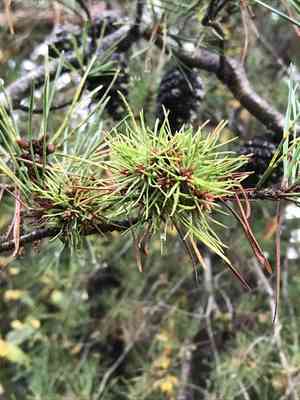
Virginia pine can be propagated through techniques such as layering, cuttings, and seed sowing, with the most favorable period being fall and winter. This species presents a moderate challenge for propagation, and indicators of success include the emergence of fresh leaves. Ensure the growing medium remains uniformly damp for the best outcomes.
Optimal Time for Virginia Pine Propagation
Propagation Method
Cutting
Propagation Period
Autumn,Winter
Tools for Virginia Pine Propagation
Sharp pruning shears or scissor-style snippers
These instruments are used to obtain clean and precise cuttings from virginia pine. Their sharp blades ensure a smooth cut, minimizing harm to the parent plant and boosting the likelihood of the cuttings rooting. A clean cut is vital for preventing infection and promoting healthy root growth.
Rooting hormone powder or gel
This substance is applied to the severed end of virginia pine cuttings to encourage root development and increase the chances of successful propagation. The hormone promotes faster rooting, which is especially beneficial for pine species that typically root slowly.
Sterilizing agent (e.g., alcohol or bleach solution)
Used to sanitize cutting tools before taking cuttings from virginia pine, this prevents the spread of diseases between plants. It is crucial that all tools used in the propagation process are clean to ensure the health of the cutting.
Propagation trays or pots
These containers are used to plant virginia pine cuttings after preparation. They should have adequate drainage and be filled with a suitable growing medium that retains moisture while allowing excess water to drain, preventing root rot.
Soilless potting mix or perlite
A soilless growing medium is recommended for virginia pine cuttings to reduce the risk of soil-borne diseases and to maintain appropriate moisture levels around the delicate new roots. Perlite can be added to improve aeration and drainage.
Misting system or spray bottle
Cuttings of virginia pine require consistent moisture to encourage rooting. A misting system or spray bottle is used to gently keep the cuttings and the growing medium lightly moist, which is vital for callus and root formation.
Plastic covers or domes
These create a humidity-controlled environment around virginia pine cuttings, which helps to prevent water loss through transpiration. Ensuring high humidity around the cuttings improves the chance for successful rooting.
Heat mats (optional)
For virginia pine, which may benefit from a consistent and slightly warmer rooting environment, heat mats can be placed under propagation trays to encourage root development. This is particularly useful in cooler climates or during colder months.
Post-Propagation Care for Virginia Pine
Post-Propagation Care for Virginia Pine
Once roots have formed, gradually acclimate the virginia pine to the outdoor environment by removing the humidity cover for progressively longer periods each day. After the virginia pine is well-adjusted, transplant it to a nursery bed or its permanent location, ensuring the soil has good drainage and the virginia pine receives full sun. Water regularly to establish a deep root system, and provide mulch to retain soil moisture and reduce temperature extremes.
Common Propagation Errors for Virginia Pine
Using cuttings
Attempting to propagate virginia pine via cuttings can be ineffective, as they typically have poor root-forming ability. This could lead to wasted time and effort with little success in new growth.
Planting depth
Planting virginia pine's seeds too deeply in soil can hinder germination due to insufficient access to light and oxygen. Seeds may rot or fail to sprout, impeding propagation.
Soil ignorance
Disregarding soil composition when planting virginia pine seeds can be a significant oversight. Unsuitable soil may not drain well, causing water to accumulate and potentially leading to seed or seedling rot.
Overwatering
Virginia pine is vulnerable to overwatering during early stages, which can lead to root rot and other fungal diseases. This excess moisture can be detrimental to the delicate new growth of seedlings.
Neglecting stratification
Skipping the cold stratification process for virginia pine seeds can result in low germination rates. Stratification mimics natural winter conditions that seeds need to break dormancy.
Virginia Pine Propagation Advice
Seed collection
Harvesting mature, viable seeds from virginia pine cones is crucial. Look for brown, opened cones as they tend to contain seeds that are ready to be sown.
Stratification
Cold stratifying virginia pine seeds for 60 to 90 days prior to sowing enhances germination rates by breaking seed dormancy, mimicking natural overwintering processes.
Suitable soil
Utilizing a well-drained, sandy loam soil for sowing virginia pine seeds facilitates proper root growth and aeration, providing an ideal environment for germination and seedling development.
Sowing depth
Sow virginia pine seeds shallowly, no more than ¼ inch deep, to ensure they receive necessary light and can easily emerge during germination.
Moisture management
Maintain consistent but moderate moisture levels for virginia pine to prevent overwatering. Ensuring good drainage and not allowing the soil to become soggy are key to healthy root development.



